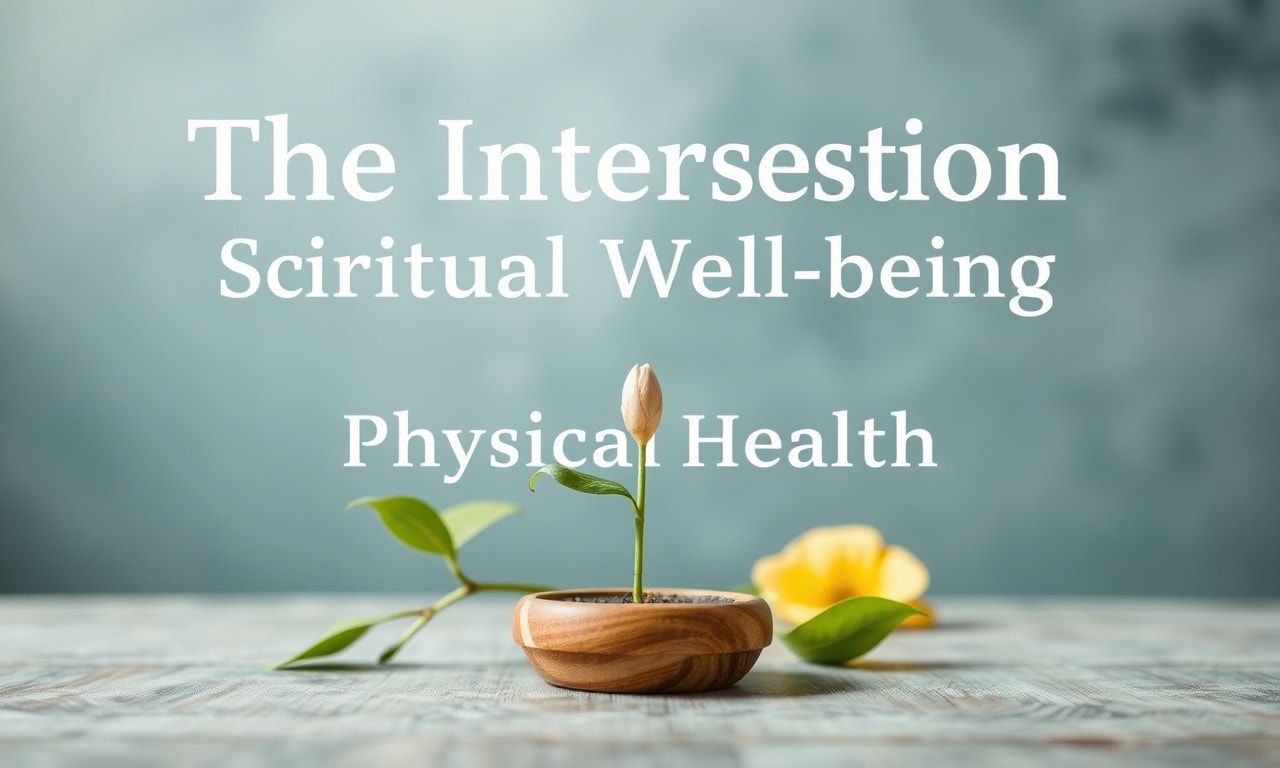
The Holistic Approach to Health
In the pursuit of optimal health, it’s essential to adopt a holistic approach that encompasses not just physical well-being but also mental and spiritual health. While nutrition and fitness often take center stage, the role of spiritual practices in promoting overall health is equally significant. This article explores the interconnectedness of spiritual well-being and physical health, and how integrating practices like prayer can contribute to a healthier, more balanced life.
The Science Behind Spiritual Practices
Numerous studies have shown that spiritual practices, such as prayer and meditation, can have a profound impact on both mental and physical health. Engaging in these practices can lower stress levels, reduce anxiety, and even improve immune function. For instance, research published in the journal Psychosomatic Medicine found that individuals who engaged in regular prayer or meditation reported lower levels of stress and better overall health outcomes.
Moreover, spiritual practices can foster a sense of community and social support, which are crucial for mental well-being. Participating in group prayers or attending religious services can provide a sense of belonging and reduce feelings of isolation. This social aspect of spirituality can be particularly beneficial for those dealing with chronic illnesses or mental health challenges.
The Role of Prayer in Daily Life
Incorporating prayer into daily life can be a powerful tool for maintaining spiritual and physical health. Prayer can serve as a moment of reflection and gratitude, helping to center the mind and reduce stress. For many, checking online prayer times can be a convenient way to ensure they stay connected to their spiritual practices, even amidst busy schedules. By setting aside time for prayer, individuals can cultivate a sense of peace and mindfulness that can positively impact their overall well-being.
Nutrition and Spiritual Well-being
Nutrition plays a vital role in supporting both physical and spiritual health. A balanced diet rich in vitamins, minerals, and antioxidants can enhance energy levels, improve mood, and support the body’s natural healing processes. Additionally, certain foods are believed to have spiritual benefits, such as promoting clarity and focus during meditation or prayer. For example, foods rich in omega-3 fatty acids, like salmon and walnuts, are known to support brain health and cognitive function, which can be beneficial for spiritual practices.
Incorporating mindful eating practices can also enhance the spiritual aspect of nutrition. Mindful eating involves being fully present and aware of the sensory experience of eating, which can foster a deeper connection to the food and its nutritional benefits. This practice can be particularly beneficial for those seeking to align their physical and spiritual health goals.
Fitness and Spiritual Practices
Regular physical activity is a cornerstone of good health, but it can also complement spiritual practices. Exercise, such as yoga or tai chi, combines physical movement with breath control and meditation, creating a harmonious blend of fitness and spirituality. These practices can improve flexibility, strength, and balance while also promoting mental clarity and emotional well-being.
For those who prefer more traditional forms of exercise, such as running or weightlifting, incorporating a brief moment of prayer or meditation before or after the workout can enhance the overall experience. This can help individuals stay focused and motivated, while also fostering a sense of gratitude and connection to something greater than themselves.
Mental Health and Spirituality
Mental health is a critical component of overall well-being, and spirituality can play a significant role in supporting mental health. Engaging in spiritual practices can provide a sense of purpose and meaning, which can be particularly beneficial for those dealing with depression, anxiety, or other mental health challenges. Research has shown that individuals who engage in regular spiritual practices report higher levels of life satisfaction and lower levels of psychological distress.
In addition to prayer and meditation, other spiritual practices, such as journaling or spending time in nature, can also support mental health. These activities can provide a sense of calm and clarity, helping individuals navigate life’s challenges with greater resilience and optimism.
Creating a Balanced Lifestyle
Achieving a balanced lifestyle that integrates physical, mental, and spiritual health requires a conscious effort to prioritize self-care and well-being. This can involve setting aside time each day for prayer, meditation, or other spiritual practices, as well as engaging in regular physical activity and maintaining a nutritious diet. By taking a holistic approach to health, individuals can cultivate a sense of harmony and balance that supports their overall well-being.
Incorporating spiritual practices into daily life can be a powerful way to enhance both physical and mental health. By staying connected to one’s spiritual beliefs and values, individuals can foster a sense of purpose and meaning that can positively impact all aspects of their lives. Whether through prayer, meditation, or other spiritual practices, taking the time to nurture the spirit can be a transformative experience that promotes overall health and well-being.
Incorporating mindfulness practices into your routine can greatly enhance mental well-being, and exploring Islamic prayer’s spiritual journey offers a unique perspective on this.
If you’re seeking to align your travels with your spiritual growth, consider exploring tips for mindful exploration, a practice known to enhance mental well-being and overall health.
Discover how to foster your child’s wellness and development through engaging activities in our latest feature, exploring children’s world of fun.