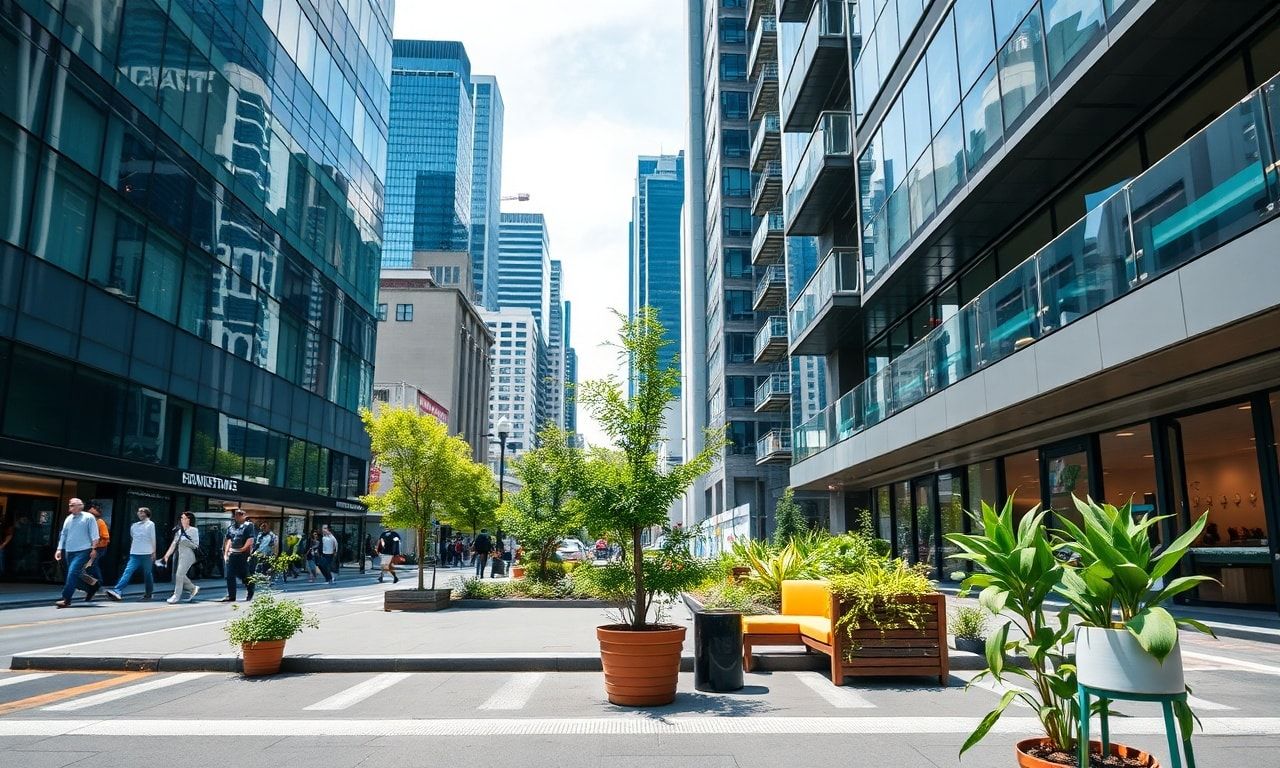
The Urban Wellness Paradox
In the pursuit of wellness, we often focus on diet, exercise, and mental health practices. However, one critical factor that often goes overlooked is the environment in which we live. Urban living, with its fast-paced lifestyle and dense population, presents unique challenges and opportunities for maintaining a healthy lifestyle. Understanding how your urban environment impacts your health is the first step towards creating a balanced and fulfilling life in the city.
The Impact of Urban Living on Physical Health
Living in a city can have both positive and negative effects on physical health. On one hand, urban areas often provide easy access to fitness facilities, parks, and recreational activities. On the other hand, the sedentary nature of many urban jobs, combined with the convenience of public transportation, can lead to a more inactive lifestyle. Additionally, air pollution and noise pollution are common issues in cities, which can exacerbate respiratory conditions and contribute to stress and sleep disturbances.
To mitigate these effects, it’s essential to incorporate regular physical activity into your routine. This could include walking or cycling to work, using the stairs instead of the elevator, or joining a local gym or fitness class. Additionally, being mindful of air quality and taking steps to protect yourself from pollution, such as wearing a mask during high pollution days, can help reduce the negative impacts on your health.
Navigating Urban Food Deserts
Urban food deserts, areas with limited access to affordable and nutritious food, are a significant challenge for many city dwellers. These areas are often characterized by a lack of supermarkets and an abundance of fast-food restaurants and convenience stores. This can make it difficult to maintain a healthy diet and can contribute to obesity and other diet-related health issues.
To overcome this challenge, consider exploring local farmers’ markets, community-supported agriculture (CSA) programs, or online grocery delivery services. These options can provide access to fresh, nutritious food, even in areas with limited grocery stores. Additionally, meal planning and prepping can help ensure that you have healthy meals and snacks on hand, reducing the temptation to rely on fast food.
The Psychological Impact of Urban Living
The psychological effects of urban living are equally significant. The constant stimulation, noise, and crowding of city life can lead to increased stress, anxiety, and even depression. Additionally, the fast-paced nature of urban life can make it difficult to find time for self-care and relaxation.
To combat these effects, it’s crucial to prioritize mental health and self-care. This could include practices such as mindfulness and meditation, which can help reduce stress and improve overall well-being. Additionally, making time for hobbies and interests, maintaining social connections, and seeking professional help when needed can all contribute to better mental health in an urban environment.
The Role of Community in Urban Wellness
One often overlooked aspect of urban wellness is the role of community. In a city, it can be easy to feel isolated and disconnected, despite being surrounded by people. However, building a strong support network can significantly improve both physical and mental health.
Consider joining local clubs or groups that align with your interests, volunteering for community service projects, or simply taking the time to connect with your neighbors. These actions can help foster a sense of belonging and community, which can have a profound impact on overall well-being. Additionally, living in a vibrant and engaged community can make it easier to access resources and support for maintaining a healthy lifestyle.
Creating a Healthy Urban Lifestyle
Creating a healthy lifestyle in an urban environment requires a holistic approach that considers both physical and mental health. This includes incorporating regular physical activity into your routine, maintaining a balanced and nutritious diet, prioritizing mental health and self-care, and building a strong support network.
It’s also important to be mindful of the unique challenges and opportunities that come with urban living. For example, if you’re considering a move within the city, you might want to explore şehir merkezinde en popüler mahalleler ve yatırım trendleri to find a neighborhood that aligns with your wellness goals. This could include factors such as access to parks and recreational facilities, proximity to grocery stores and farmers’ markets, and the overall safety and walkability of the area.
Ultimately, the key to a healthy urban lifestyle is to find a balance that works for you. This might involve making sacrifices in some areas to prioritize your health and well-being. However, with the right strategies and support, it’s possible to thrive in an urban environment and enjoy all that city living has to offer.
Discover how your daily habits impact your mental well-being in our latest feature, mental health and lifestyle tips, offering a comprehensive guide to holistic wellness.