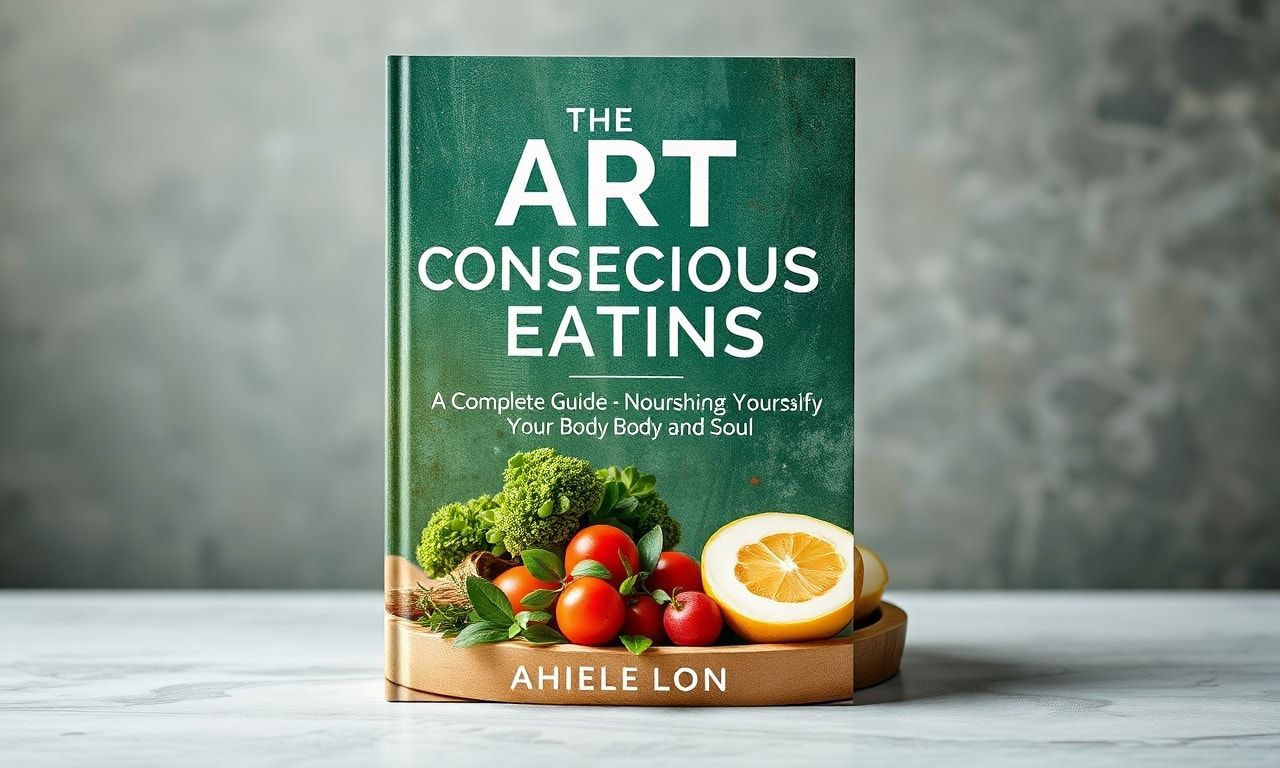
The Importance of Mindful Eating
In today’s fast-paced world, it’s easy to fall into the habit of eating quickly and mindlessly. However, this approach can lead to overeating, poor digestion, and a disconnection from our body’s hunger and fullness cues. Mindful eating, on the other hand, is a practice that involves paying full attention to your food—both inside and outside the body. It’s about being fully present with your food, from the moment you select it to the moment you swallow and feel its effects.
The Benefits of Mindful Eating
Mindful eating offers a myriad of benefits that extend beyond the dining table. Here are some of the most notable advantages:
- Improved Digestion: Eating slowly and chewing thoroughly aids in the breakdown of food, making it easier for your body to absorb nutrients.
- Weight Management: By being more aware of your hunger and fullness cues, you’re less likely to overeat and more likely to maintain a healthy weight.
- Enhanced Enjoyment: Mindful eating allows you to savor and appreciate the flavors, textures, and aromas of your food, turning each meal into a sensory experience.
- Better Mental Health: This practice can help reduce stress, anxiety, and emotional eating, leading to improved overall mental well-being.
How to Practice Mindful Eating
Incorporating mindful eating into your daily routine doesn’t have to be complicated. Here are some simple steps to get you started:
- Start with a Positive Mindset: Approach your meal with a sense of gratitude and curiosity. Appreciate the effort that went into preparing the food and the nourishment it will provide.
- Engage Your Senses: Before taking your first bite, take a moment to observe the color, smell, and texture of your food. This can help build anticipation and enhance your overall eating experience.
- Chew Thoroughly: Aim to chew each bite 20-30 times. This not only aids in digestion but also gives your brain time to register feelings of fullness.
- Eat Slowly: Put your fork down between bites and take your time. This can help prevent overeating and improve your digestion.
- Listen to Your Body: Pay attention to your hunger and fullness cues. Stop eating when you feel comfortably full, even if there’s food left on your plate.
Mindful Eating and Special Occasions
Mindful eating isn’t just for everyday meals. It can also enhance your enjoyment of special occasion foods, like desserts. For instance, if you’re planning a party and want to include a special treat, consider making a healthy, yet indulgent dessert like jelly. You can find plenty of recipes and tips for jelley maken voor een feestje that are both delicious and nutritious. The key is to savor each bite, appreciating the flavors and textures, rather than mindlessly consuming large quantities.
Mindful Eating and Nutrition
Mindful eating can also help you make healthier food choices. By being more aware of what you’re eating, you’re more likely to opt for nutritious, whole foods that nourish your body. Here are some tips for incorporating mindful eating into your nutrition plan:
- Plan Your Meals: Take the time to plan your meals for the week. This can help you make healthier choices and avoid impulsive, unhealthy eating.
- Shop Mindfully: When grocery shopping, choose foods that are nutritious and appealing to you. Avoid buying foods that you know you’ll eat mindlessly.
- Cook with Intention: When preparing your meals, do so with care and attention. This can help you appreciate the food more and make healthier choices.
- Eat a Variety of Foods: Aim to include a variety of foods in your diet to ensure you’re getting all the nutrients your body needs.
Mindful Eating and Mental Health
Mindful eating can also have a significant impact on your mental health. By being more present and aware of your eating habits, you can reduce stress, anxiety, and emotional eating. Here are some ways mindful eating can support your mental health:
- Reduces Stress: Mindful eating can help reduce stress by encouraging you to slow down and savor your food, rather than rushing through meals.
- Improves Mood: Eating mindfully can help improve your mood by increasing your awareness of how food affects your body and mind.
- Reduces Emotional Eating: By being more aware of your hunger and fullness cues, you’re less likely to turn to food for comfort or distraction.
- Enhances Self-Awareness: Mindful eating can help you become more aware of your thoughts, feelings, and behaviors around food, leading to greater self-awareness and personal growth.
In conclusion, mindful eating is a powerful practice that can transform your relationship with food and enhance your overall well-being. By incorporating mindful eating into your daily routine, you can improve your digestion, manage your weight, enhance your enjoyment of food, and support your mental health. So, why not give it a try? Start small, be patient with yourself, and enjoy the journey towards a healthier, more mindful you.