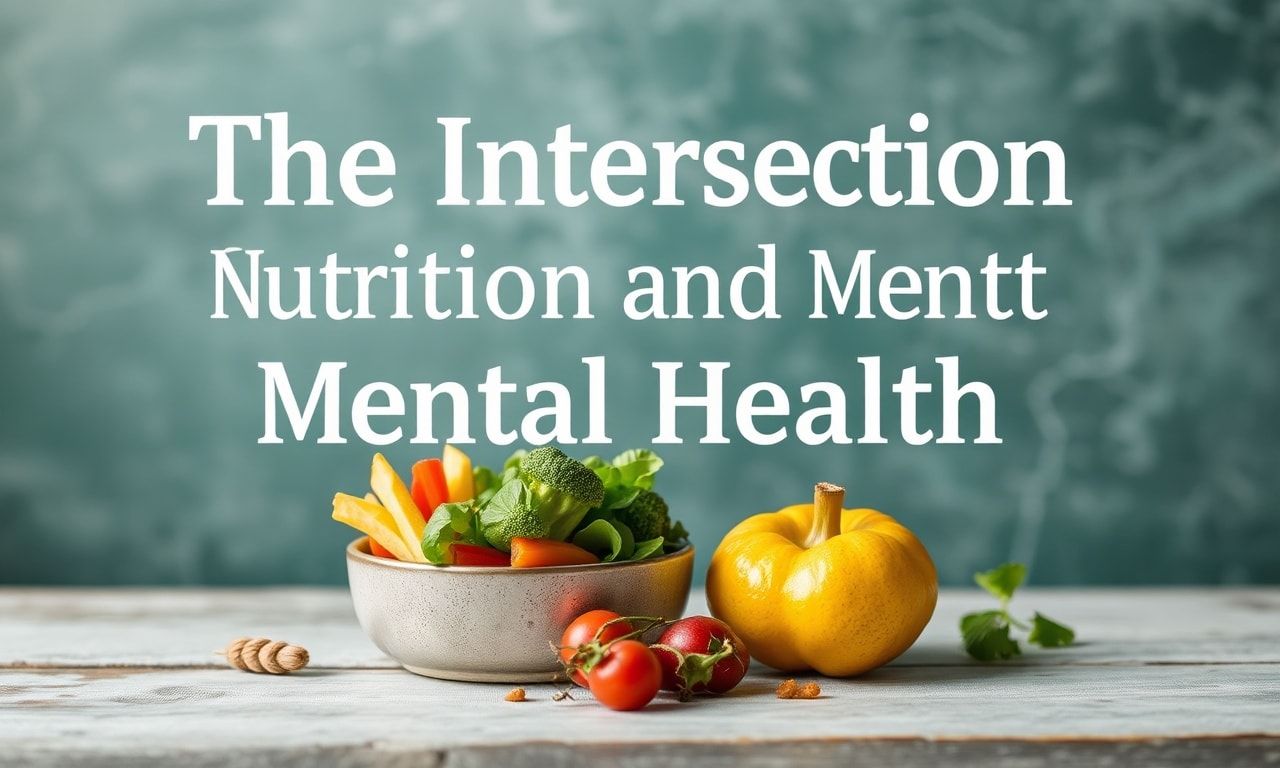
The Gut-Brain Axis: A Vital Connection
The human body is a complex network of interconnected systems, and one of the most fascinating connections is the gut-brain axis. This bidirectional communication system links the emotional and cognitive centers of the brain with peripheral intestinal functions. Emerging research suggests that the gut microbiome, the community of microorganisms living in the intestines, plays a crucial role in mental health. A balanced diet rich in probiotics, prebiotics, and fiber can support a healthy gut microbiome, potentially improving mood and reducing symptoms of anxiety and depression.
Nutrients That Support Mental Health
Certain nutrients are particularly important for mental health. Omega-3 fatty acids, found in fatty fish like salmon and mackerel, are essential for brain function and have been shown to reduce inflammation and support mood regulation. Antioxidants, such as those found in berries, nuts, and leafy greens, help protect the brain from oxidative stress. B vitamins, particularly B6, B9 (folate), and B12, are crucial for the production of neurotransmitters like serotonin and dopamine, which regulate mood and emotions.
The Role of Vitamin D
Vitamin D, often referred to as the “sunshine vitamin,” is another critical nutrient for mental health. Research indicates that vitamin D deficiency is linked to an increased risk of depression and other mood disorders. Spending time outdoors and consuming foods rich in vitamin D, such as fortified dairy products and egg yolks, can help maintain adequate levels. For those in regions with limited sunlight, supplements may be necessary to meet daily requirements.
Dietary Patterns and Mental Health
While individual nutrients are important, the overall dietary pattern also plays a significant role in mental health. The Mediterranean diet, which emphasizes whole grains, fruits, vegetables, lean proteins, and healthy fats, has been extensively studied for its benefits on both physical and mental health. This diet is rich in antioxidants, anti-inflammatory compounds, and essential nutrients that support brain function and reduce the risk of depression.
Conversely, diets high in processed foods, sugar, and unhealthy fats have been linked to poor mental health outcomes. These foods can contribute to inflammation, oxidative stress, and imbalances in gut bacteria, all of which can negatively impact mood and cognitive function. Staying informed about global health trends and dietary recommendations can also be beneficial. For the latest updates, you can refer to sources like son dakika uluslararası haberler.
The Impact of Hydration on Mental Health
Hydration is often overlooked but is a fundamental aspect of mental health. Even mild dehydration can impair cognitive function, reduce concentration, and contribute to feelings of anxiety and fatigue. Drinking adequate amounts of water throughout the day is essential for maintaining optimal brain function. Herbal teas, infused waters, and electrolyte-rich beverages can also contribute to overall hydration and provide additional health benefits.
Practical Tips for a Mental Health-Boosting Diet
Incorporating mental health-boosting nutrients into your diet doesn’t have to be complicated. Here are some practical tips to get started:
- Eat a Variety of Colorful Fruits and Vegetables: Aim for a rainbow of colors on your plate to ensure you’re getting a wide range of antioxidants and phytonutrients.
- Include Healthy Fats: Incorporate foods rich in omega-3 fatty acids, such as fatty fish, flaxseeds, and walnuts, into your diet.
- Choose Whole Grains: Opt for whole grains like quinoa, brown rice, and oats, which provide sustained energy and essential nutrients.
- Stay Hydrated: Drink plenty of water throughout the day and consider herbal teas or infused waters for added flavor and benefits.
- Limit Processed Foods: Reduce your intake of processed foods, sugary snacks, and unhealthy fats to support overall mental and physical health.
By focusing on a balanced diet rich in essential nutrients, you can support your mental health and overall well-being. Remember that small, consistent changes can lead to significant improvements over time. For more information on global health trends and dietary recommendations, you can refer to sources like son dakika uluslararası haberler.
To complement your wellness journey, consider exploring how your fashion choices can reflect and enhance your lifestyle with our guide on crafting a personal style.
To stay well-informed and make healthier choices, consider exploring the importance of staying informed in our interconnected world.
In our quest for holistic well-being, it’s essential to pause and appreciate the present; discover how with practicing mindful living.