The Gut-Brain Connection
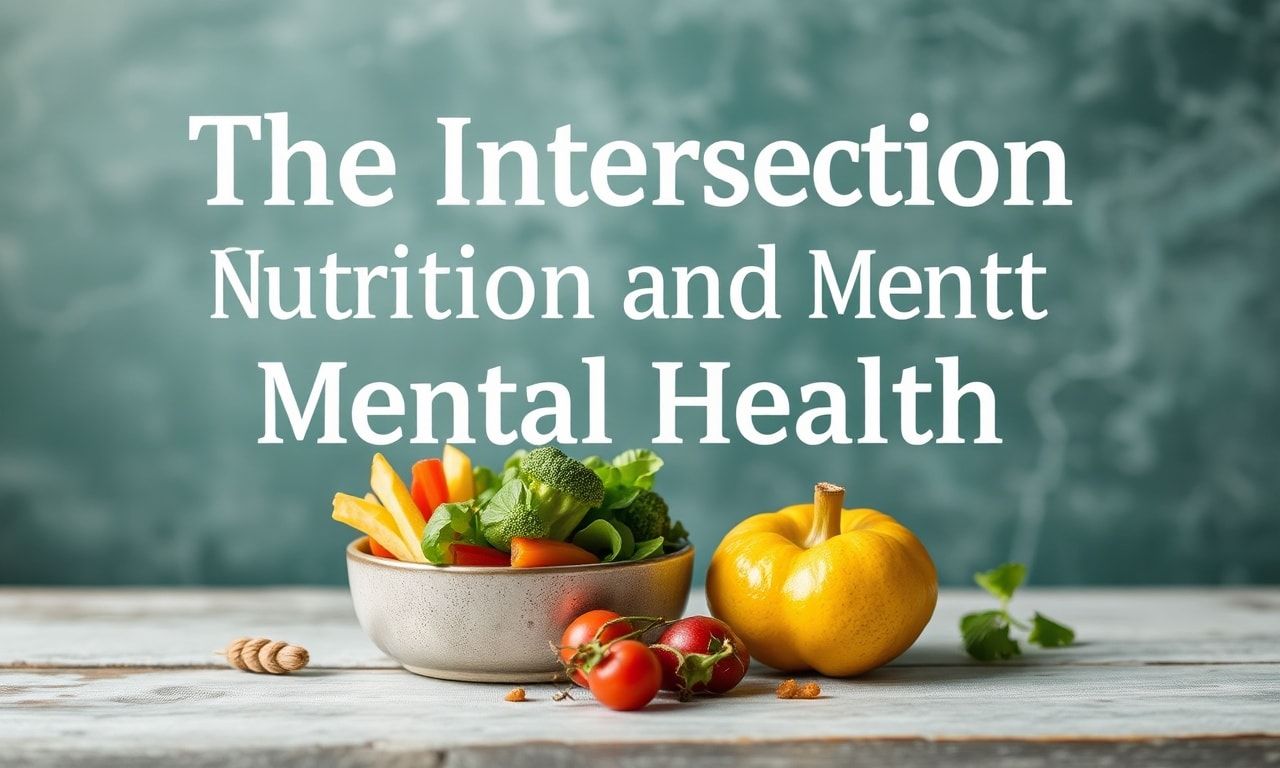
The relationship between nutrition and mental health is a burgeoning field of study, with researchers uncovering fascinating links between the gut and the brain. This connection, often referred to as the gut-brain axis, is a complex communication system that is influenced by the microbiome—the trillions of bacteria residing in the digestive tract. Emerging evidence suggests that the health of the gut microbiome can significantly impact mental health, influencing conditions such as depression, anxiety, and even cognitive function.
Diet plays a crucial role in maintaining a healthy gut microbiome. Consuming a diet rich in fiber, probiotics, and prebiotics can promote the growth of beneficial bacteria, which in turn can positively influence mental health. Conversely, a diet high in processed foods, sugars, and unhealthy fats can disrupt the gut microbiome, potentially leading to adverse mental health outcomes. Understanding this connection is the first step toward leveraging nutrition to support mental well-being.
Key Nutrients for Mental Health
Certain nutrients are particularly important for mental health. Omega-3 fatty acids, for instance, are essential for brain function and have been shown to reduce symptoms of depression and anxiety. Foods rich in omega-3s include fatty fish like salmon, walnuts, and flaxseeds. Antioxidants, found in fruits and vegetables, help combat oxidative stress, which is linked to mental health disorders. Vitamin D, often referred to as the ‘sunshine vitamin,’ is also crucial for mental health, with studies indicating that deficiency can contribute to depression.
Incorporating these nutrients into your diet can be a simple yet effective way to support mental health. For example, a Mediterranean diet, which is rich in fruits, vegetables, whole grains, and healthy fats, has been associated with a lower risk of depression. This diet emphasizes the consumption of foods that are not only beneficial for physical health but also for mental well-being.
The Role of Hydration
Hydration is another critical factor that often gets overlooked in discussions about mental health. The human brain is composed of about 73% water, and even mild dehydration can impair cognitive function, mood, and concentration. Staying hydrated can help maintain optimal brain function and support overall mental health. It is recommended to drink at least eight glasses of water a day, although individual needs may vary based on activity level, climate, and overall health.
In addition to water, other beverages like herbal teas and infused waters can contribute to daily hydration needs. Avoiding excessive consumption of caffeinated beverages and alcohol is also important, as they can lead to dehydration and negatively impact mental health. By prioritizing hydration, individuals can support their brain function and overall mental well-being.
Mindful Eating and Mental Health
Mindful eating is a practice that involves paying full attention to the experience of eating and drinking, both inside and outside the body. This practice can help individuals become more aware of their hunger and fullness cues, as well as the emotional and psychological aspects of eating. Mindful eating has been shown to reduce stress, anxiety, and emotional eating, which can positively impact mental health.
To practice mindful eating, start by eating slowly and without distractions, such as television or smartphones. Pay attention to the textures, flavors, and aromas of your food. Notice how your body feels as you eat, and stop eating when you feel comfortably full. This practice can help individuals develop a healthier relationship with food and improve overall mental well-being.
Local News and Community Support
Staying informed about local health initiatives and community resources can also support mental health. For instance, accessing reliable sources of information about local health events, support groups, and wellness programs can provide valuable resources for maintaining mental well-being. Websites like bölgemizdeki haberler güncel offer up-to-date information on local health news and community events, which can be beneficial for staying informed and connected.
Community support is another important aspect of mental health. Engaging in community activities, volunteering, and participating in local events can foster a sense of belonging and social connection, which are crucial for mental well-being. By staying informed and involved in the community, individuals can access the support and resources they need to maintain optimal mental health.
Conclusion
The intersection of nutrition and mental health is a complex and fascinating field of study. By understanding the gut-brain connection, incorporating key nutrients into the diet, prioritizing hydration, and practicing mindful eating, individuals can support their mental well-being. Additionally, staying informed about local health initiatives and engaging in community activities can provide valuable resources and support for maintaining mental health. By adopting a holistic approach to health and wellness, individuals can achieve optimal mental and physical well-being.
Discover the powerful connection between mind and body with our latest feature, mental health and fitness, which offers a comprehensive look at holistic wellness strategies.
To discover how the luxury market’s growth can impact your wellness and fitness investments, explore Turkey’s luxury investment opportunities and their potential benefits.
Discover how tech is transforming wellness by exploring innovations in health tech, a fascinating look at the future of fitness and nutrition.