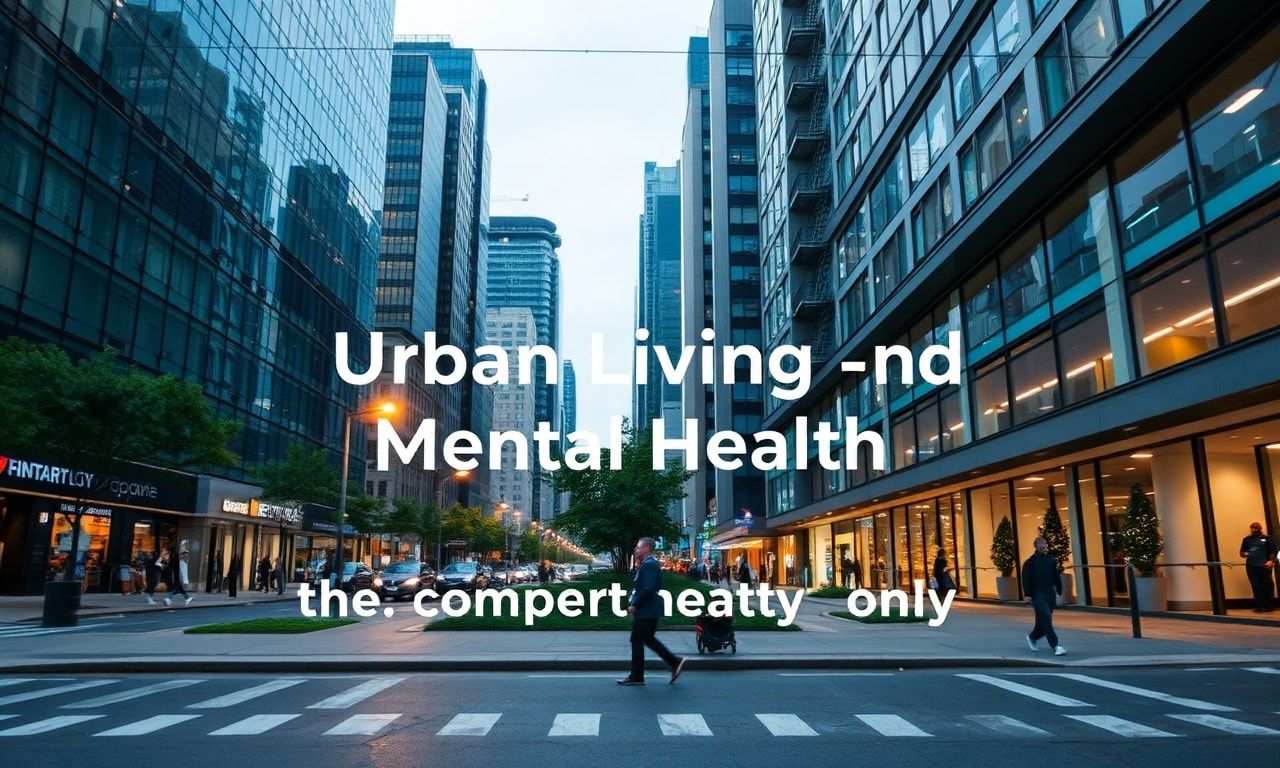
The Impact of Urban Living on Mental Health
Urban living offers numerous advantages, including access to amenities, job opportunities, and cultural experiences. However, the fast-paced, high-pressure environment of cities can also take a toll on mental health. Research has shown that urban dwellers are at a higher risk of developing mental health issues such as anxiety and depression compared to their rural counterparts. Factors such as noise pollution, air pollution, and social isolation can contribute to this increased risk.
The Role of Nutrition in Mental Well-being
Nutrition plays a crucial role in maintaining mental health. A balanced diet rich in fruits, vegetables, whole grains, and lean proteins can help improve mood and reduce symptoms of depression and anxiety. Omega-3 fatty acids, found in fish and nuts, are particularly beneficial for brain health. Conversely, a diet high in processed foods and sugars can exacerbate mental health issues. It is essential to be mindful of what we eat and how it affects our mental well-being.
Key Nutrients for Mental Health
Certain nutrients are particularly important for mental health:
- Omega-3 Fatty Acids: Found in fatty fish like salmon and mackerel, these acids are essential for brain function and can help reduce inflammation.
- Vitamin D: Exposure to sunlight and consuming foods like fortified dairy products can help maintain adequate levels of this vitamin, which is crucial for mood regulation.
- Magnesium: Found in leafy greens, nuts, and seeds, magnesium can help reduce anxiety and improve sleep quality.
- Probiotics: Found in yogurt and fermented foods, probiotics can support gut health, which is linked to mental health through the gut-brain axis.
The Importance of Physical Activity
Regular physical activity is another critical factor in maintaining mental health. Exercise releases endorphins, which are natural mood lifters. It also helps reduce stress and anxiety by lowering cortisol levels. Urban environments often provide ample opportunities for physical activity, from gyms and fitness classes to parks and recreational facilities. Incorporating regular exercise into your routine can significantly improve your mental well-being.
Types of Exercise Beneficial for Mental Health
Different types of exercise can benefit mental health in various ways:
- Aerobic Exercise: Activities like running, cycling, and swimming can help reduce symptoms of depression and anxiety.
- Yoga: Combining physical postures, breathing techniques, and meditation, yoga can help reduce stress and improve mood.
- Strength Training: Building muscle strength can boost self-esteem and improve overall mental health.
- Mind-Body Exercises: Practices like tai chi and qigong can help reduce stress and improve mental clarity.
Social Connections and Mental Health
Social connections are vital for mental health. Urban living can sometimes lead to social isolation, which is a significant risk factor for mental health issues. Building and maintaining strong social connections can provide emotional support and reduce feelings of loneliness. Engaging in community activities, joining clubs or groups, and participating in local events can help foster a sense of belonging and improve mental well-being.
For instance, initiatives like those discussed in the Manchester council decisions this week can significantly impact community well-being by promoting social engagement and mental health awareness.
Strategies for Improving Mental Health in Urban Environments
Improving mental health in urban environments requires a multifaceted approach. Here are some strategies that can help:
- Mindfulness and Meditation: Practicing mindfulness and meditation can help reduce stress and improve mental clarity. Apps and local classes can provide guidance and support.
- Green Spaces: Spending time in parks and green spaces can help reduce stress and improve mood. Urban planners are increasingly recognizing the importance of green spaces in promoting mental health.
- Work-Life Balance: Maintaining a healthy work-life balance is crucial for mental well-being. Setting boundaries and prioritizing self-care can help manage stress and prevent burnout.
- Professional Support: Seeking help from mental health professionals can provide valuable support and guidance. Therapy, counseling, and support groups can be beneficial for those struggling with mental health issues.
By adopting these strategies, urban dwellers can improve their mental health and lead happier, more fulfilling lives.
To complement your wellness journey, consider exploring elevating your wardrobe with layering, a practice that can boost your confidence and overall well-being.
To understand how education can foster healthier, more resilient communities, dive into future cities and learning.
If you’re looking to enhance your overall well-being, consider exploring tips for a healthier lifestyle that can transform your daily habits.