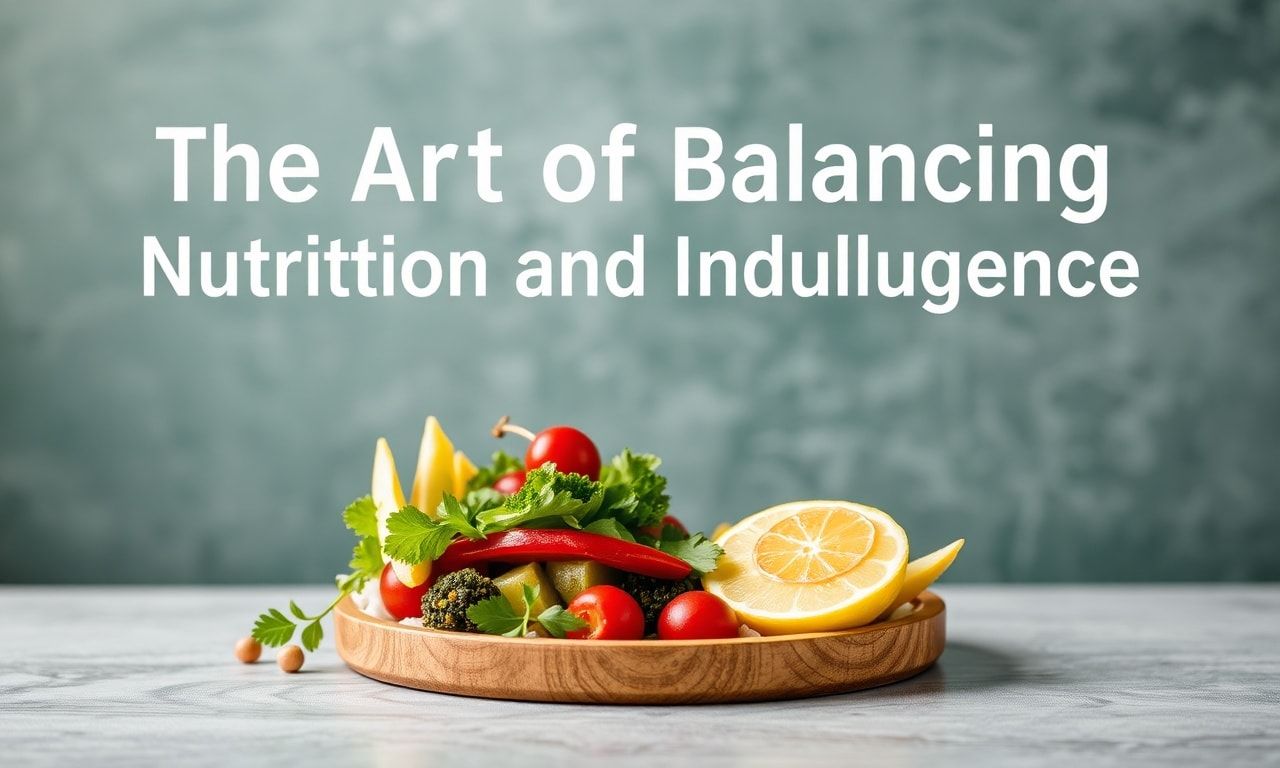
The Importance of a Balanced Diet
A balanced diet is the cornerstone of good health. It provides the necessary nutrients to maintain bodily functions, supports mental health, and can even influence our emotional well-being. The key to a balanced diet is variety, ensuring that you consume a mix of macronutrients (carbohydrates, proteins, and fats) and micronutrients (vitamins and minerals).
Understanding Macronutrients
Macronutrients are the nutrients that our bodies need in large amounts to function properly. Carbohydrates, often misunderstood, are the body’s primary energy source. Proteins are essential for building and repairing tissues, while fats play a crucial role in hormone production and nutrient absorption. It’s important to understand the role of each macronutrient and incorporate them into your diet in the right proportions.
Carbohydrates: The Body’s Fuel
Carbohydrates are often demonized in the quest for weight loss, but they are not the enemy. Complex carbohydrates, found in foods like whole grains, fruits, and vegetables, provide sustained energy and are rich in fiber, which aids in digestion and promotes feelings of fullness. Simple carbohydrates, on the other hand, found in sugary foods and drinks, should be consumed in moderation.
Proteins: The Building Blocks of Life
Proteins are made up of amino acids, which are the building blocks of our bodies. They are essential for the growth and repair of tissues, the production of enzymes and hormones, and the maintenance of a healthy immune system. Lean proteins, such as chicken, fish, tofu, and legumes, are excellent sources of protein and should be included in every meal.
Fats: The Good, the Bad, and the Ugly
Not all fats are created equal. Unsaturated fats, found in foods like avocados, nuts, and olive oil, are beneficial for heart health and can help reduce inflammation. Saturated fats, found in fatty meats and full-fat dairy products, should be consumed in moderation. Trans fats, found in many processed foods, should be avoided as much as possible.
Incorporating Healthy Eating Habits
Healthy eating is not about deprivation; it’s about making smart choices. Here are some tips to help you incorporate healthy eating habits into your lifestyle:
- Plan Your Meals: Meal planning can help you make healthier choices and avoid impulsive, unhealthy food decisions.
- Cook at Home: Cooking at home allows you to control the ingredients and portion sizes. If you’re looking for inspiration, consider exploring recipes like the how to make authentic teriyaki chicken at home guide, which can help you create delicious and nutritious meals.
- Eat Mindfully: Pay attention to your hunger and fullness cues. Eat slowly and savor your food to prevent overeating.
- Stay Hydrated: Drink plenty of water throughout the day. It aids in digestion, nutrient absorption, and waste elimination.
- Limit Processed Foods: Processed foods are often high in unhealthy fats, sugars, and sodium. Opt for whole, unprocessed foods whenever possible.
The Role of Nutrition in Mental Health
The food we eat can have a significant impact on our mental health. Certain nutrients, such as omega-3 fatty acids, B vitamins, and magnesium, have been shown to support brain health and may help reduce symptoms of depression and anxiety. Conversely, a diet high in processed foods and sugars has been linked to an increased risk of mental health disorders.
Foods That Support Mental Health
Incorporating foods rich in omega-3 fatty acids, such as fatty fish, flaxseeds, and walnuts, can help support brain health. Foods rich in B vitamins, like leafy greens, whole grains, and legumes, can help reduce inflammation and support nerve function. Magnesium-rich foods, such as nuts, seeds, and dark chocolate, can help regulate mood and reduce anxiety.
Exercise and Nutrition: A Dynamic Duo
Regular exercise is essential for maintaining a healthy weight, improving cardiovascular health, and boosting mood. However, exercise and nutrition go hand in hand. Proper nutrition can enhance the benefits of exercise, while exercise can help regulate appetite and improve nutrient absorption.
Pre- and Post-Workout Nutrition
Eating the right foods before and after a workout can help maximize the benefits of exercise. A pre-workout meal or snack should provide sustained energy and be rich in complex carbohydrates. A post-workout meal or snack should include a mix of protein and carbohydrates to support muscle recovery and replenish glycogen stores.
Conclusion
Achieving a balanced diet and healthy lifestyle is a journey, not a destination. It’s about making smart choices, listening to your body, and finding a balance that works for you. Remember, it’s okay to indulge occasionally. The key is moderation and mindful eating. By incorporating these tips and strategies, you can enjoy a lifetime of good health and well-being.
To achieve a balanced and healthy lifestyle, consider exploring our comprehensive guide on nutrition, fitness, and mental well-being, backed by evidence-based research.
To unwind and boost your mental well-being, explore our guide on entertainment for relaxation and fun, featuring films, music, and games that can help you de-stress.
Discover practical ways to enhance your well-being and mental clarity by exploring mindful living techniques daily.