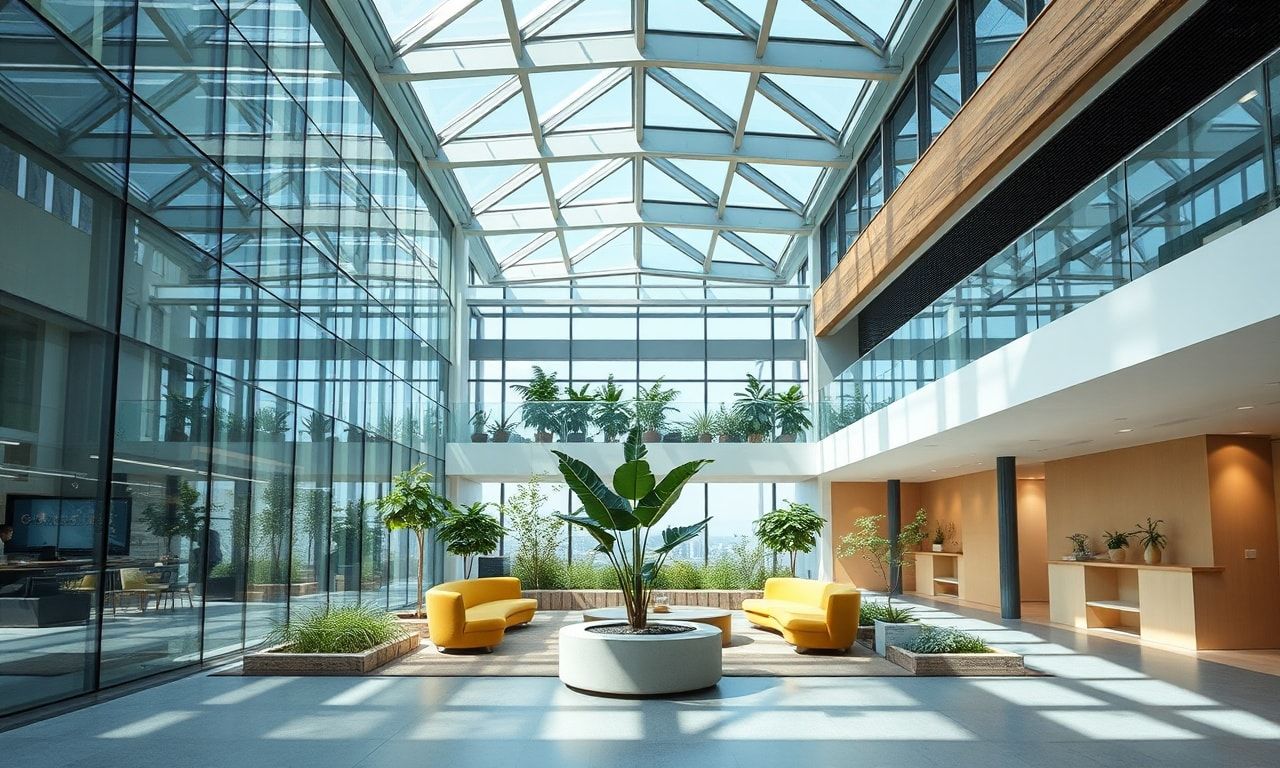
The Importance of Health-Conscious Architecture
In the pursuit of wellness, we often focus on diet, exercise, and mental health practices. However, one critical factor that is frequently overlooked is the impact of our built environment on our overall well-being. Health-conscious architecture is an emerging field that emphasizes the design of spaces to promote physical and mental health. This approach considers factors such as natural light, air quality, and spatial layout to create environments that support healthy living.
The Role of Natural Light in Health
Natural light is a fundamental element in health-conscious architecture. Exposure to natural light has been shown to regulate circadian rhythms, improve mood, and enhance productivity. Studies have demonstrated that individuals who work in environments with ample natural light experience better sleep patterns and reduced symptoms of depression. Architects are increasingly incorporating large windows, skylights, and open floor plans to maximize natural light in both residential and commercial spaces.
Benefits of Natural Light
- Regulates circadian rhythms
- Improves mood and mental health
- Enhances productivity and focus
- Reduces eye strain and headaches
The Impact of Air Quality on Well-being
Air quality is another critical factor in health-conscious architecture. Poor indoor air quality can lead to a range of health issues, including respiratory problems, allergies, and headaches. Architects and designers are now focusing on using materials that are low in volatile organic compounds (VOCs), incorporating plants into indoor spaces, and implementing advanced ventilation systems to ensure clean and healthy air. Additionally, the integration of green spaces within urban environments can significantly improve air quality and overall well-being.
Strategies for Improving Air Quality
- Use low-VOC materials in construction and furnishings
- Incorporate indoor plants to naturally filter the air
- Implement advanced ventilation systems
- Design spaces with access to outdoor green areas
The Influence of Spatial Layout on Mental Health
The layout of a space can have a profound impact on mental health. Open, spacious environments can promote a sense of freedom and reduce feelings of claustrophobia. Conversely, cramped and poorly designed spaces can contribute to stress and anxiety. Health-conscious architecture emphasizes the importance of creating flexible, adaptable spaces that can be easily reconfigured to meet the changing needs of occupants. This approach not only enhances mental well-being but also fosters a sense of community and connection.
For instance, in residential settings, the design of common areas can encourage social interaction and reduce feelings of isolation. In workplaces, open-plan offices with designated quiet zones can improve collaboration while providing spaces for focused work and relaxation. The integration of natural elements, such as water features and indoor gardens, can further enhance the mental health benefits of a well-designed space.
The Role of Technology in Health-Conscious Design
Advancements in technology are playing a significant role in the development of health-conscious architecture. Smart home systems, for example, can monitor and regulate environmental factors such as temperature, humidity, and air quality to create optimal living conditions. Wearable technology can provide real-time data on an individual’s health and well-being, allowing architects and designers to tailor spaces to meet specific needs. Additionally, the use of virtual reality (VR) and augmented reality (AR) in the design process can help visualize and optimize the health impacts of different spatial configurations.
For those interested in staying updated on the latest trends in architecture and design, resources like भारत में वास्तुकला समाचार आज provide valuable insights into innovative approaches and projects that prioritize health and well-being. By staying informed, architects, designers, and individuals can make informed decisions that contribute to healthier living environments.
Conclusion
Health-conscious architecture is a holistic approach to designing spaces that promote physical and mental well-being. By incorporating natural light, improving air quality, optimizing spatial layout, and leveraging technology, architects and designers can create environments that support healthy living. As awareness of the impact of our built environment on health continues to grow, the demand for health-conscious architecture will likely increase, leading to a future where our living and working spaces are designed with well-being in mind.