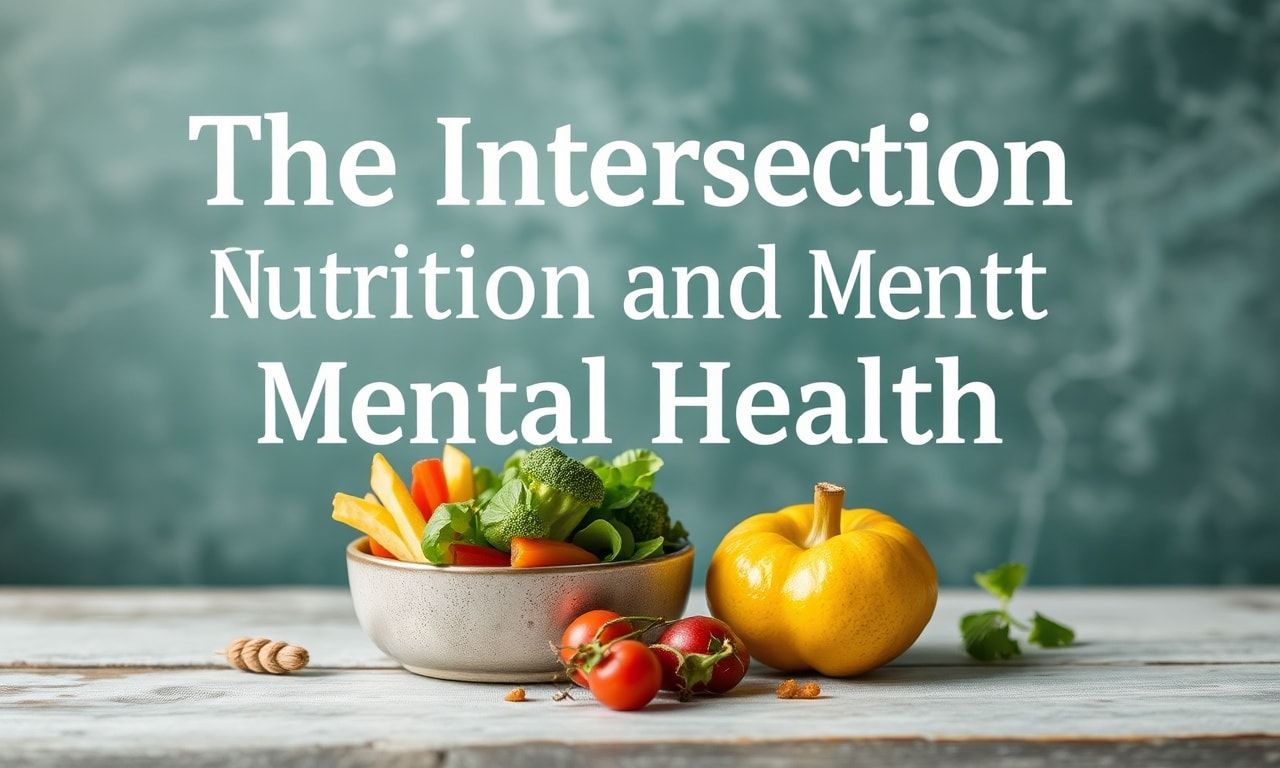
The Connection Between Nutrition and Mental Health
In recent years, the relationship between nutrition and mental health has garnered significant attention from researchers and healthcare professionals. The food we consume not only fuels our bodies but also plays a crucial role in maintaining our mental well-being. Emerging evidence suggests that a balanced diet can help prevent and manage various mental health conditions, including depression, anxiety, and cognitive decline.
Understanding this connection is essential for anyone looking to improve their overall health. This article delves into the intricate relationship between nutrition and mental health, providing practical tips and evidence-based insights to help you make informed dietary choices.
The Role of Nutrients in Mental Health
Certain nutrients are particularly important for brain function and mental health. For instance, omega-3 fatty acids, found in fish like salmon and mackerel, are known to reduce inflammation and support brain health. Similarly, B vitamins, which are abundant in leafy greens and whole grains, are vital for neurotransmitter production and cognitive function.
Antioxidants, found in colorful fruits and vegetables, help protect the brain from oxidative stress, which is linked to mental health disorders. Additionally, probiotics, found in fermented foods like yogurt and kimchi, have been shown to influence the gut-brain axis, potentially improving mood and reducing anxiety.
Key Nutrients for Mental Health
- Omega-3 Fatty Acids: Essential for brain function and reducing inflammation.
- B Vitamins: Crucial for neurotransmitter production and cognitive function.
- Antioxidants: Protect the brain from oxidative stress.
- Probiotics: Influence the gut-brain axis, potentially improving mood.
Dietary Patterns and Mental Health
While individual nutrients are important, the overall dietary pattern also plays a significant role in mental health. Research has shown that diets rich in whole foods, such as the Mediterranean diet, are associated with a lower risk of depression and anxiety. This diet emphasizes fruits, vegetables, whole grains, lean proteins, and healthy fats, providing a balanced and nutrient-dense eating plan.
On the other hand, diets high in processed foods, sugar, and unhealthy fats have been linked to an increased risk of mental health disorders. These foods can lead to inflammation, oxidative stress, and imbalances in gut bacteria, all of which can negatively impact mental health.
The Mediterranean Diet
The Mediterranean diet is a prime example of a dietary pattern that supports mental health. This diet includes plenty of fruits, vegetables, whole grains, legumes, nuts, and olive oil, with moderate amounts of fish and poultry, and limited red meat. Studies have shown that adhering to this diet can reduce the risk of depression and improve cognitive function.
Incorporating elements of the Mediterranean diet into your eating plan can be a simple and effective way to support your mental health. For example, you can start by adding more fruits and vegetables to your meals, choosing whole grains over refined grains, and opting for healthy fats like olive oil and avocados.
Practical Tips for Improving Mental Health Through Nutrition
Making dietary changes to support mental health doesn’t have to be overwhelming. Here are some practical tips to get you started:
- Eat a Variety of Nutrient-Dense Foods: Aim to include a wide range of fruits, vegetables, whole grains, lean proteins, and healthy fats in your diet.
- Limit Processed Foods and Sugar: Reduce your intake of processed foods, sugary snacks, and beverages, as these can negatively impact mental health.
- Stay Hydrated: Proper hydration is essential for brain function. Aim to drink plenty of water throughout the day.
- Consider Supplements: If you have specific nutrient deficiencies, consider talking to your healthcare provider about supplements. For example, omega-3 supplements can be beneficial for those who don’t consume enough fatty fish.
- Stay Active: Regular physical activity is not only good for your body but also for your mind. Exercise has been shown to reduce symptoms of depression and anxiety.
The Impact of Physical Activity on Mental Health
While nutrition is a critical factor in mental health, it’s not the only one. Regular physical activity also plays a significant role in maintaining mental well-being. Exercise has been shown to reduce symptoms of depression and anxiety, improve mood, and enhance cognitive function. For more information on the latest sports news and how physical activity can benefit your mental health, check out Bağcılar’da güncel spor haberleri.
Incorporating physical activity into your routine doesn’t have to be complicated. Simple activities like walking, cycling, or yoga can make a big difference in your mental health. Aim for at least 30 minutes of moderate-intensity exercise most days of the week.
Conclusion
The connection between nutrition and mental health is undeniable. By making informed dietary choices and staying physically active, you can significantly improve your mental well-being. Remember, small changes can make a big difference, so start by incorporating more nutrient-dense foods into your diet and finding activities you enjoy that keep you moving.
For more tips and resources on maintaining a healthy lifestyle, visit CoreNutr. Your journey to better mental health starts with the food you eat and the activities you engage in.
To help you embark on a healthier journey, we recommend exploring essential steps for a healthy lifestyle, a comprehensive guide covering wellness, fitness, nutrition, and mental health.
To help you maintain a balanced lifestyle, explore our guide on nutrition and exercise tips that support overall well-being.
Readers interested in this subject may also want to explore The Intersection of Mental Health and for additional perspectives.