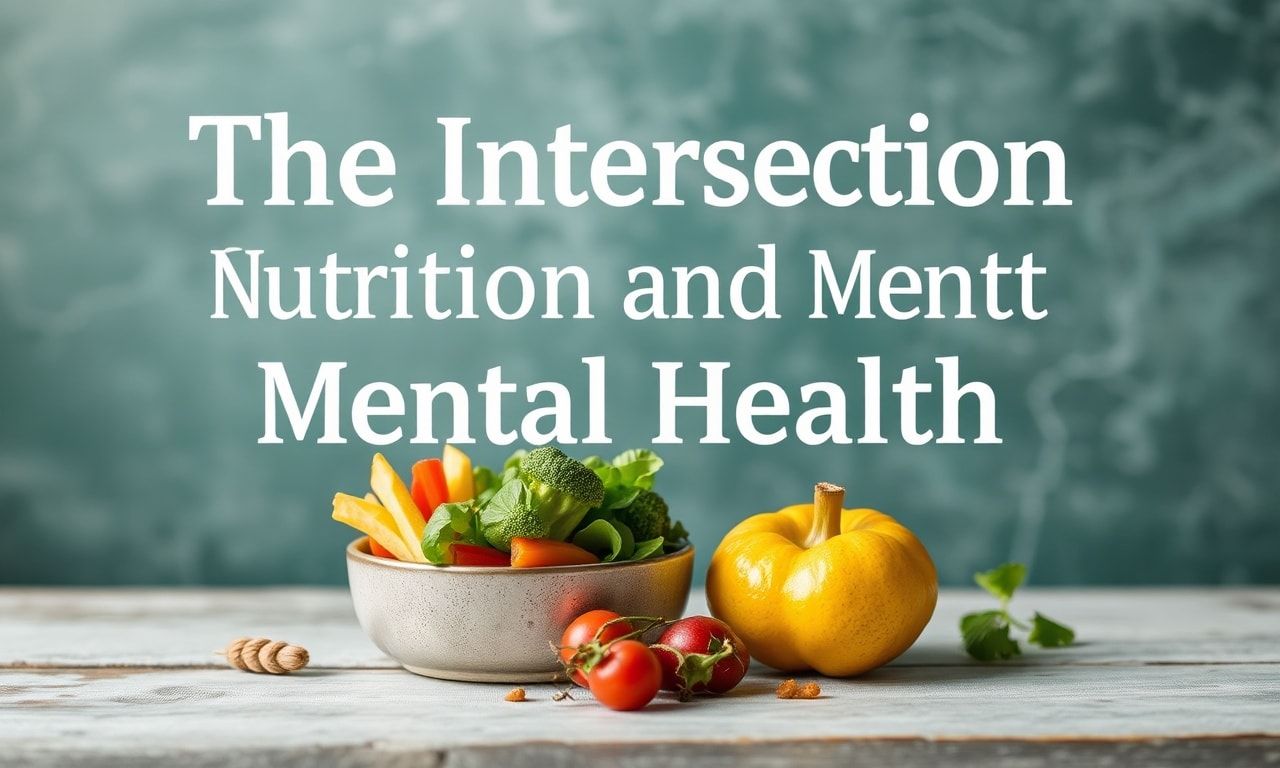
The Gut-Brain Connection
\nThe relationship between nutrition and mental health is a burgeoning field of study, with researchers uncovering compelling evidence that supports the notion of a gut-brain axis. This bidirectional communication system links the emotional and cognitive centers of the brain with peripheral intestinal functions. A healthy gut microbiome, populated by beneficial bacteria, is essential for producing neurotransmitters like serotonin, which regulates mood, appetite, and sleep. Conversely, an imbalanced gut microbiome has been linked to mental health disorders such as anxiety and depression.
\nKey Nutrients for Gut Health
\nTo maintain a healthy gut microbiome, it’s crucial to consume a diet rich in prebiotics and probiotics. Prebiotics are non-digestible fiber compounds that feed the beneficial bacteria in your gut. Foods rich in prebiotics include garlic, onions, leeks, asparagus, artichokes, soybeans, whole wheat, and bananas. Probiotics, on the other hand, are live beneficial bacteria found in fermented foods like yogurt, kefir, sauerkraut, kimchi, and miso. Incorporating these foods into your diet can help promote a healthy gut environment, which in turn supports mental well-being.
\nThe Impact of Diet on Mental Health
\nBeyond gut health, the overall quality of your diet plays a significant role in mental health. Research has shown that diets high in processed foods, sugar, and unhealthy fats can contribute to inflammation and oxidative stress, which are linked to mental health disorders. Conversely, a diet rich in fruits, vegetables, whole grains, lean proteins, and healthy fats has been associated with a reduced risk of depression and anxiety. For instance, the Mediterranean diet, which emphasizes plant-based foods, whole grains, and healthy fats like olive oil and fish, has been shown to have a protective effect on mental health.
\nSpecific Nutrients for Mental Health
\nCertain nutrients are particularly important for mental health. Omega-3 fatty acids, found in fatty fish like salmon, mackerel, and sardines, as well as walnuts and flaxseeds, are essential for brain function and have been shown to reduce symptoms of depression. B vitamins, found in leafy greens, legumes, and whole grains, are crucial for brain health and can help reduce homocysteine levels, which have been linked to depression. Vitamin D, obtained through sunlight exposure and foods like fatty fish and fortified dairy products, is also important for mental health, with low levels being linked to an increased risk of depression.
\nStaying informed about the latest health and nutrition news can also provide valuable insights into maintaining mental well-being. For instance, recent studies highlighted in world news highlights today have emphasized the importance of a balanced diet in preventing mental health disorders. By staying up-to-date with the latest research, you can make informed decisions about your diet and overall health.
\nThe Role of Hydration
\nHydration is another critical factor in mental health. Dehydration can lead to fatigue, headaches, and reduced cognitive function, all of which can negatively impact mood and mental well-being. Aim to drink at least eight glasses of water per day, and more if you are physically active or live in a hot climate. Herbal teas, infused waters, and other hydrating beverages can also contribute to your daily fluid intake.
\nLifestyle Factors
\nIn addition to diet and hydration, lifestyle factors such as exercise, sleep, and stress management play a crucial role in mental health. Regular physical activity has been shown to reduce symptoms of depression and anxiety by increasing the production of endorphins, which are natural mood enhancers. Aim for at least 30 minutes of moderate-intensity exercise most days of the week. Adequate sleep is also essential for mental health, with most adults needing seven to nine hours of sleep per night. Poor sleep has been linked to an increased risk of mental health disorders, so prioritize good sleep hygiene. Finally, stress management techniques such as mindfulness, meditation, and deep breathing can help reduce symptoms of anxiety and depression.
\nPractical Tips for Improving Mental Health Through Nutrition
\nHere are some practical tips for improving mental health through nutrition:
\n- \n
- Incorporate more fruits and vegetables into your diet, aiming for a variety of colors to ensure a wide range of nutrients. \n
- Choose whole grains over refined grains, as they provide more fiber and nutrients. \n
- Include lean proteins like chicken, turkey, fish, beans, and lentils in your meals. \n
- Opt for healthy fats like olive oil, avocados, nuts, and seeds. \n
- Limit processed foods, sugary snacks, and unhealthy fats. \n
- Stay hydrated by drinking plenty of water throughout the day. \n
- Engage in regular physical activity to support mental well-being. \n
- Prioritize good sleep hygiene to ensure adequate rest. \n
- Practice stress management techniques like mindfulness and meditation. \n
By focusing on these aspects of nutrition and lifestyle, you can support your mental health and overall well-being. Remember that small, sustainable changes are more likely to lead to long-term success, so start with one or two changes and build from there.
\nDiscover how popular culture shapes our mental well-being with insights from cinema, music, and games impact.
\nTo enhance your overall well-being, delve into healthy living through nutrition and fitness, a comprehensive guide that combines evidence-based insights on diet, exercise, and mental health.
\n\n\nDiscover how cutting-edge tech boosts wellness and transforms our approach to health and fitness.