The Gut-Brain Connection
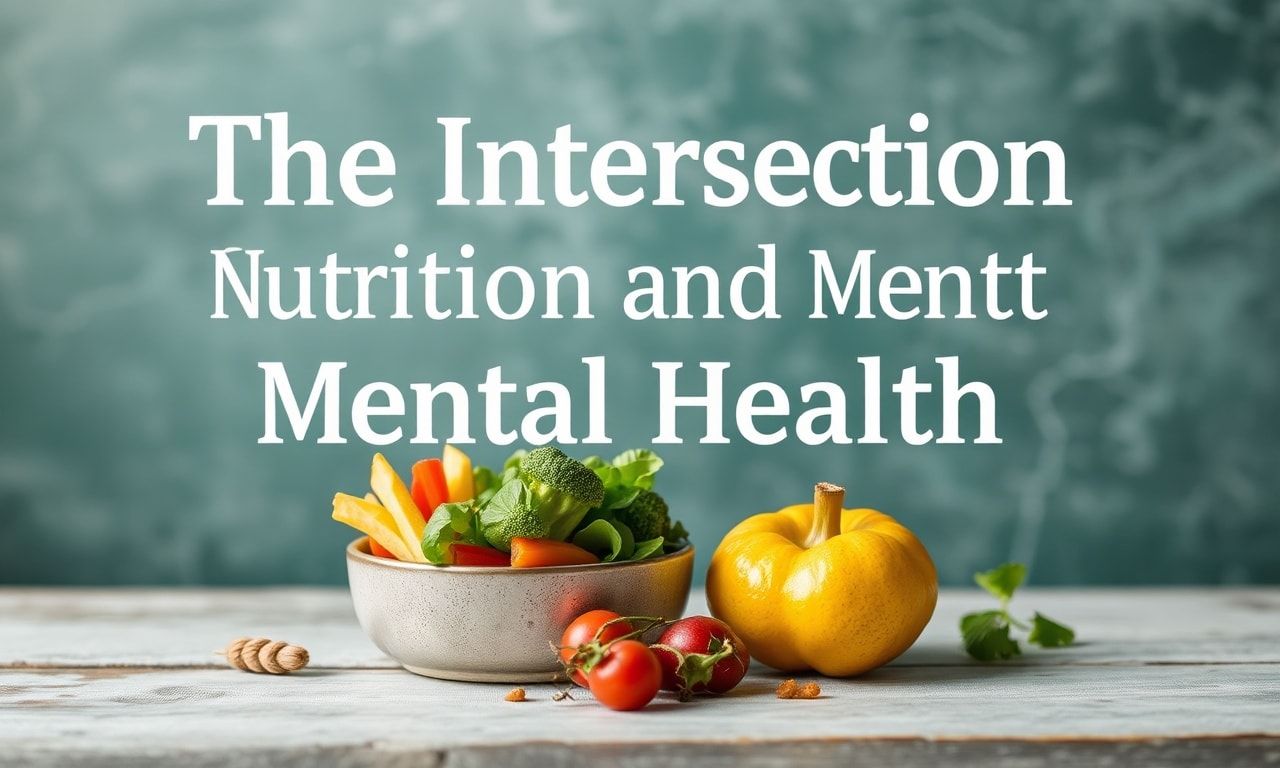
The relationship between nutrition and mental health is a burgeoning field of study, with research increasingly highlighting the intricate connection between the gut and the brain. Known as the gut-brain axis, this bidirectional communication system involves the central nervous system (CNS), the enteric nervous system (ENS), the neuroendocrine system, the immune system, and the microbiome. Understanding this connection is crucial for optimizing both physical and mental well-being.
The Role of the Microbiome
The microbiome, a collection of trillions of microorganisms residing in the gut, plays a pivotal role in this connection. These microbes produce neurotransmitters and other signaling molecules that influence brain function and behavior. For instance, certain gut bacteria produce serotonin, a neurotransmitter that regulates mood, appetite, and sleep. A balanced microbiome is essential for maintaining mental health, and diet is one of the most significant factors influencing its composition.
Nutrition and Mental Health: Key Nutrients
Certain nutrients are particularly important for mental health. Incorporating these into your diet can help support brain function and emotional well-being. Here are some key nutrients to focus on:
Omega-3 Fatty Acids
Omega-3 fatty acids, found in fatty fish like salmon, mackerel, and sardines, as well as in flaxseeds and walnuts, are essential for brain health. They have been shown to reduce inflammation, improve cognitive function, and alleviate symptoms of depression and anxiety. Aim to include these foods in your diet regularly to support mental health.
Probiotics and Prebiotics
Probiotics, found in fermented foods like yogurt, kefir, and sauerkraut, and prebiotics, found in foods like garlic, onions, and bananas, support a healthy gut microbiome. A healthy microbiome is linked to reduced symptoms of depression and anxiety. Incorporating these foods into your diet can help maintain a balanced gut environment, which in turn supports mental health.
Vitamins and Minerals
Certain vitamins and minerals are crucial for mental health. For example, B vitamins, found in whole grains, legumes, and leafy greens, are essential for brain function. Magnesium, found in nuts, seeds, and leafy greens, has been shown to reduce anxiety and improve mood. Ensuring adequate intake of these nutrients can help support mental well-being.
Lifestyle Factors and Mental Health
In addition to diet, lifestyle factors play a significant role in mental health. Regular exercise, adequate sleep, and stress management are all important for maintaining mental well-being. Exercise, for instance, has been shown to reduce symptoms of depression and anxiety by increasing the production of endorphins, the body’s natural mood elevators. Similarly, adequate sleep is essential for cognitive function and emotional regulation. Stress management techniques, such as mindfulness and meditation, can also help improve mental health.
For those looking to integrate wellness practices into their routine, exploring resources like çekici rezervasyon sitesi can be a great way to find local classes and activities that promote physical and mental well-being. These platforms often offer a variety of options, from yoga and meditation to fitness classes, providing opportunities to engage in activities that support both body and mind.
The Impact of Diet on Mental Health
Dietary patterns have a profound impact on mental health. A diet high in processed foods, sugar, and unhealthy fats has been linked to increased symptoms of depression and anxiety. Conversely, a diet rich in whole foods, including fruits, vegetables, lean proteins, and whole grains, has been shown to support mental health. The Mediterranean diet, for example, which emphasizes fruits, vegetables, whole grains, lean proteins, and healthy fats, has been associated with a reduced risk of depression and improved cognitive function.
Inflammatory Foods and Mental Health
Inflammatory foods, such as processed meats, refined sugars, and trans fats, can contribute to chronic inflammation, which has been linked to mental health disorders. Reducing the intake of these foods and focusing on anti-inflammatory foods, such as fruits, vegetables, and omega-3 fatty acids, can help support mental well-being. Additionally, staying hydrated by drinking plenty of water throughout the day is essential for optimal brain function and overall health.
Practical Tips for Improving Mental Health Through Nutrition
Incorporating nutrient-dense foods into your diet is a practical way to support mental health. Here are some tips to help you get started:
- Eat a Variety of Fruits and Vegetables: Aim for a colorful plate to ensure you’re getting a wide range of nutrients.
- Choose Whole Grains: Opt for whole grains like brown rice, quinoa, and whole-wheat bread over refined grains.
- Include Lean Proteins: Incorporate lean proteins like chicken, fish, beans, and lentils into your meals.
- Healthy Fats: Include healthy fats from sources like avocados, nuts, seeds, and olive oil.
- Stay Hydrated: Drink plenty of water throughout the day to support brain function and overall health.
By focusing on these dietary guidelines, you can support your mental health and overall well-being. Remember, small changes can make a big difference, so start with one or two adjustments and gradually incorporate more healthy habits into your routine.
If you’re looking to enhance your well-being, consider exploring simple ways to find happiness at home, a topic that aligns closely with our focus on mental health and overall wellness.
To enhance your overall well-being, consider the impact of personal style with our guide to current fashion trends and style tips, which can boost confidence and mental health.
As we navigate the complexities of modern life, understanding the broader context of our daily challenges is crucial for maintaining overall wellness. Delve into the intricate web of global supply chain disruptions and their far-reaching effects on health and well-being.