The Gut-Brain Connection
\nIn recent years, the scientific community has uncovered a profound link between our gut health and mental well-being, often referred to as the gut-brain axis. This bidirectional communication system involves the central nervous system (CNS), the enteric nervous system (ENS), the neuroendocrine system, immune system, intestinal microbiota, and the intestinal epithelial barrier. Understanding this connection is crucial for anyone looking to improve their overall health.
\nThe gut microbiota, a complex community of microorganisms living in our digestive tracts, plays a pivotal role in this interplay. These microbes produce neurotransmitters and other signaling molecules that can influence brain function and behavior. For instance, about 90% of serotonin, a key neurotransmitter involved in mood regulation, is produced in the gut. This highlights the importance of maintaining a healthy gut microbiome through proper nutrition.
\nThe Role of Nutrition in Mental Health
\nDietary habits have a significant impact on mental health. A diet rich in fruits, vegetables, whole grains, lean proteins, and healthy fats can promote a healthy gut microbiome and reduce inflammation, which is linked to various mental health disorders. Conversely, a diet high in processed foods, sugars, and unhealthy fats can disrupt the gut microbiome and contribute to inflammation, potentially worsening mental health conditions.
\nResearch has shown that the Mediterranean diet, which emphasizes plant-based foods, whole grains, and healthy fats like olive oil, is associated with a lower risk of depression and anxiety. This diet is not only beneficial for physical health but also supports mental well-being by promoting a healthy gut environment. Additionally, omega-3 fatty acids, found in fatty fish like salmon and mackerel, have been shown to reduce symptoms of depression and improve cognitive function.
\nKey Nutrients for Mental Health
\nCertain nutrients are particularly important for mental health. For example, B vitamins, especially B6, B9 (folate), and B12, play a crucial role in brain function and the production of neurotransmitters. A deficiency in these vitamins has been linked to depression and cognitive decline. Similarly, magnesium, found in leafy greens, nuts, and seeds, is essential for brain function and has been shown to reduce symptoms of anxiety and depression.
\nVitamin D, often referred to as the “sunshine vitamin,” is another critical nutrient for mental health. Low levels of vitamin D have been associated with an increased risk of depression and seasonal affective disorder (SAD). Ensuring adequate intake through sunlight exposure, dietary sources like fatty fish and fortified foods, or supplements can help maintain optimal mental health.
\nThe Impact of Inflammation on Mental Health
\nChronic inflammation has been implicated in various mental health disorders, including depression, anxiety, and schizophrenia. Inflammatory markers like C-reactive protein (CRP) and interleukin-6 (IL-6) have been found to be elevated in individuals with these conditions. Diet plays a significant role in modulating inflammation. Foods high in antioxidants, such as berries, nuts, and dark leafy greens, can help reduce inflammation and support mental health.
\nOn the other hand, processed foods, sugars, and unhealthy fats can promote inflammation. For instance, a diet high in trans fats, found in fried foods and baked goods, has been linked to an increased risk of depression. Therefore, adopting an anti-inflammatory diet can be a powerful strategy for improving mental health.
\nPractical Tips for a Mental Health-Boosting Diet
\nIncorporating more whole, nutrient-dense foods into your diet is a great starting point. Aim for a variety of colorful fruits and vegetables, whole grains, lean proteins, and healthy fats. Additionally, staying hydrated by drinking plenty of water throughout the day is essential for optimal brain function.
\nIt’s also important to limit processed foods, sugars, and unhealthy fats. Reading food labels and choosing whole, unprocessed foods can help you make healthier choices. For more tips on optimizing your diet for mental health, consider exploring resources like seo optimizasyon ipuçları, which can guide you on how to find reliable health information online.
\nRegular physical activity is another key component of a holistic approach to mental health. Exercise has been shown to reduce symptoms of depression and anxiety by promoting the release of endorphins, which are natural mood boosters. Aim for at least 30 minutes of moderate-intensity exercise most days of the week.
\nThe Importance of Sleep and Stress Management
\nSleep and stress management are also crucial for mental health. Poor sleep quality and chronic stress can disrupt the gut-brain axis and contribute to mental health disorders. Prioritizing good sleep hygiene, such as maintaining a consistent sleep schedule and creating a relaxing bedtime routine, can improve sleep quality and support mental well-being.
\nStress management techniques, such as mindfulness meditation, deep breathing exercises, and yoga, can help reduce stress and improve mental health. These practices have been shown to lower levels of cortisol, the stress hormone, and promote a sense of calm and relaxation.
\nIncorporating these practices into your daily routine can have a significant impact on your mental health. Whether it’s taking a few minutes each day to practice mindfulness or engaging in regular physical activity, small changes can make a big difference.
\nConclusion
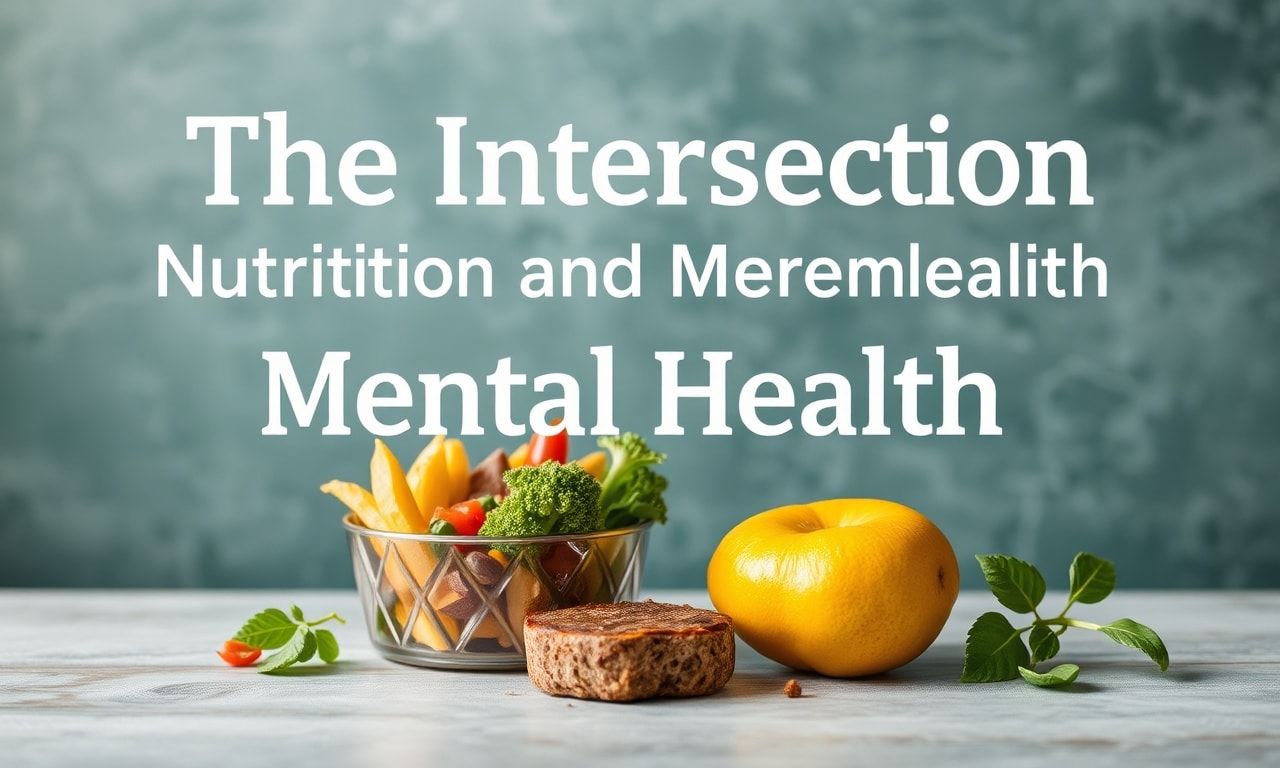
\nThe intersection of nutrition and mental health is a complex and fascinating area of study. By understanding the gut-brain connection and the role of nutrition in mental health, we can make informed choices that support our overall well-being. Adopting a holistic approach that includes a nutrient-dense diet, regular physical activity, adequate sleep, and effective stress management can help improve mental health and promote a healthier, happier life.
\nRemember, small changes can lead to significant improvements. Start by making one or two changes at a time and gradually incorporate more healthy habits into your routine. Your mind and body will thank you.
\nDiscover the powerful connection between what you eat and how you feel with our latest guide, mental health and nutrition, a must-read for anyone prioritizing their overall well-being.
\nIn today’s fast-paced world, understanding how technology impacts our well-being is crucial. Discover how technological advancements in India are shaping wellness, fitness, and mental health in India’s tech-driven health evolution.
\n\n\nFor a deeper understanding of this topic, The Comprehensive Guide to Holistic Wellness: offers valuable insights worth exploring.