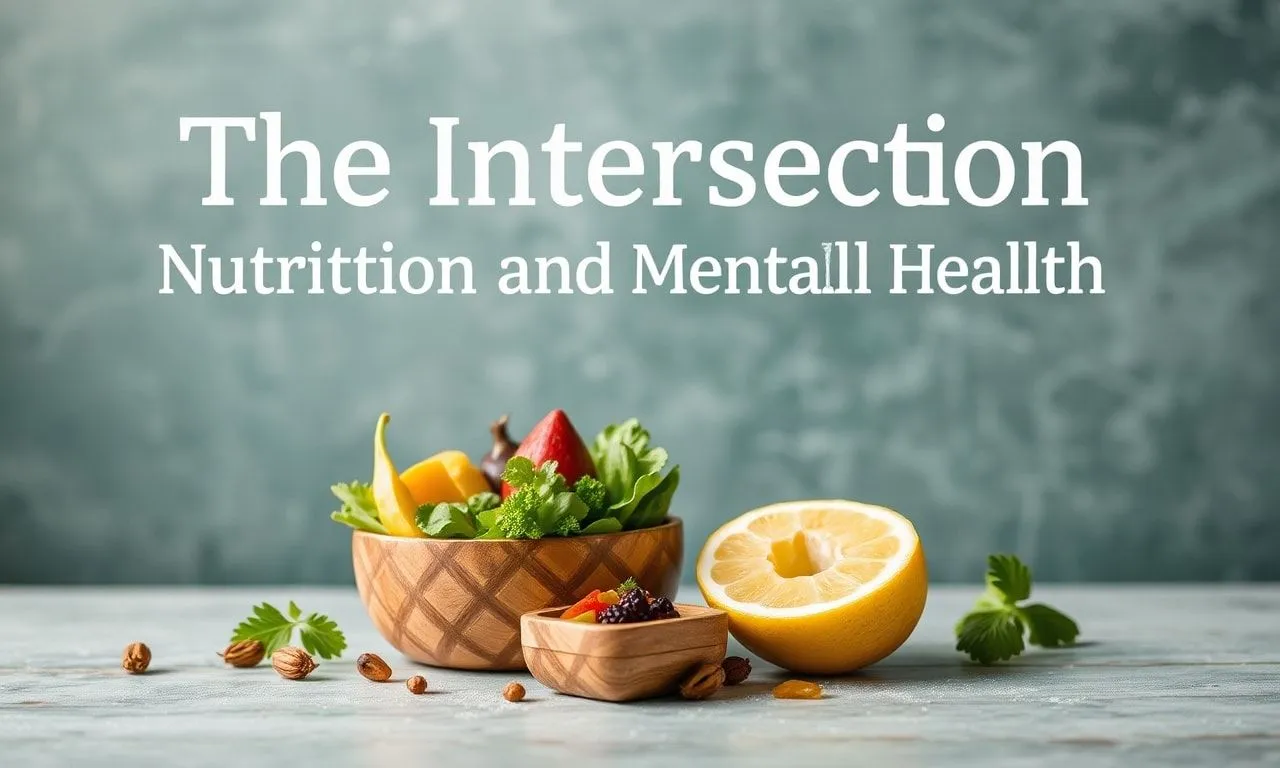
The Gut-Brain Connection
The connection between our gut and brain, often referred to as the gut-brain axis, is a complex and fascinating area of research in health and nutrition. Emerging evidence suggests that the health of our gut microbiome can significantly influence our mental health. A balanced diet rich in fiber, probiotics, and prebiotics can promote a healthy gut microbiome, which in turn may support mental well-being.
Probiotics, often referred to as ‘good’ bacteria, can be found in fermented foods like yogurt, kefir, and sauerkraut. These foods can help maintain a healthy balance of gut bacteria. Prebiotics, on the other hand, are types of dietary fiber that feed the beneficial bacteria in the gut. Foods rich in prebiotics include onions, garlic, bananas, and whole grains.
Incorporating these foods into your diet can be a simple yet effective way to support both your gut and mental health. For instance, starting your day with a bowl of Greek yogurt topped with banana slices and a sprinkle of granola can provide a good dose of both probiotics and prebiotics.
The Role of Nutrients in Mental Health
Certain nutrients play a crucial role in maintaining mental health. For example, omega-3 fatty acids, found in fatty fish like salmon and mackerel, are essential for brain health. They have been shown to reduce inflammation and support brain function, which can help alleviate symptoms of depression and anxiety.
Similarly, B vitamins, particularly B6, B9 (folate), and B12, are vital for brain health. They help regulate mood and support the production of neurotransmitters like serotonin and dopamine. Foods rich in B vitamins include leafy greens, legumes, eggs, and lean meats.
Another important nutrient is magnesium, which is involved in over 300 biochemical reactions in the body, including those that regulate mood. Foods high in magnesium include nuts, seeds, whole grains, and leafy greens. Incorporating these foods into your diet can help ensure you’re getting enough of these essential nutrients.
Practical Tips for a Mental Health-Boosting Diet
Incorporating mental health-boosting foods into your diet doesn’t have to be complicated. Here are some practical tips:
- Plan your meals: Planning your meals for the week can help ensure you’re incorporating a variety of nutrient-rich foods into your diet.
- Stay hydrated: Dehydration can affect your mood and cognitive function, so make sure you’re drinking enough water throughout the day.
- Limit processed foods: Processed foods often contain high levels of sugar, salt, and unhealthy fats, which can negatively impact your mental health.
- Consider supplements: If you’re struggling to get enough of certain nutrients through your diet, consider talking to your healthcare provider about supplements.
Remember, while diet plays a significant role in mental health, it’s just one piece of the puzzle. Regular exercise, adequate sleep, and stress management techniques are also crucial for maintaining good mental health. If you’re struggling with mental health issues, it’s important to seek help from a healthcare professional.
The Impact of Stress on Nutrition
Stress can have a significant impact on our eating habits and nutritional status. When we’re stressed, our bodies release cortisol, a hormone that can increase appetite and cravings for unhealthy foods. This can lead to overeating and poor food choices, which can negatively impact both physical and mental health.
Moreover, chronic stress can deplete the body of essential nutrients, including vitamins B and C, magnesium, and zinc. These nutrients are crucial for maintaining a healthy immune system, supporting brain function, and regulating mood. Therefore, it’s important to ensure you’re getting enough of these nutrients, especially during times of high stress.
Incorporating stress-reducing activities into your routine, such as yoga, meditation, or spending time in nature, can help manage stress levels and support overall health. Additionally, practicing mindful eating can help you make healthier food choices and improve your relationship with food.
Nourishing the Mind: A Holistic Approach
A holistic approach to mental health involves nourishing both the body and the mind. This includes not only eating a balanced diet but also engaging in regular physical activity, getting enough sleep, and practicing stress management techniques. It’s also important to foster social connections and engage in activities that bring you joy and fulfillment.
For those looking to give the gift of wellness to their loved ones, consider exploring кращі ідеї для подарунків в києві. From fitness equipment to relaxation tools, there are plenty of options to support mental and physical well-being. Remember, the best gifts are those that promote health and happiness.
In conclusion, the relationship between nutrition and mental health is complex and multifaceted. By nourishing our bodies with a balanced diet rich in essential nutrients, we can support our mental well-being and improve our overall quality of life. However, it’s important to remember that diet is just one piece of the puzzle. A holistic approach to mental health, which includes regular exercise, adequate sleep, stress management, and social connections, is crucial for maintaining good mental health.
To unwind and maintain a healthy work-life balance, consider exploring fun nighttime entertainment ideas that can help reduce stress and improve your mental well-being.
If you’re looking to align your wellness journey with the digital age, explore digital marketing for healthier living to understand how online strategies can enhance your fitness, nutrition, and mental health routines.
Understanding how life’s significant events impact our mental well-being is crucial for overall wellness; delve into this topic with our mental health milestones guide.