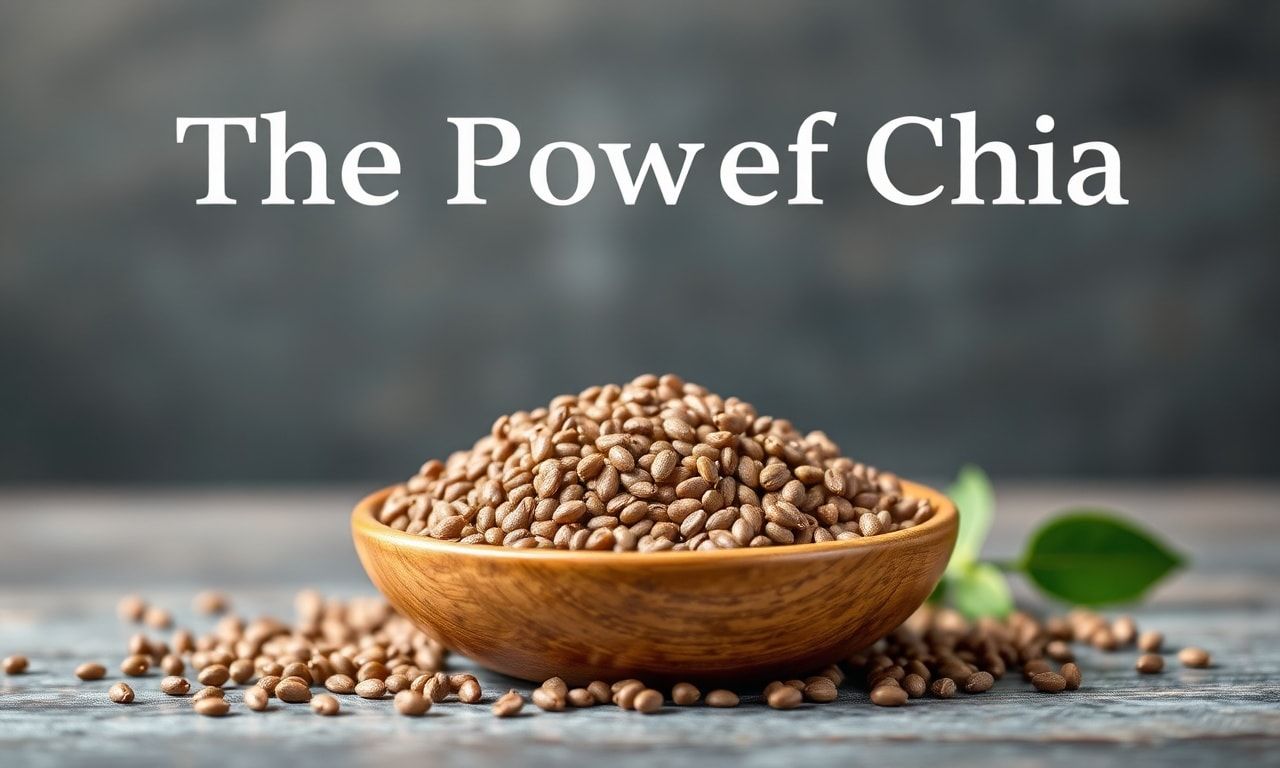
The Nutritional Powerhouse: Chia Seeds
Chia seeds, often hailed as a superfood, have gained significant popularity in the health and wellness community. These tiny seeds are packed with essential nutrients, making them a valuable addition to any diet. Originating from the Salvia hispanica plant, chia seeds are rich in omega-3 fatty acids, fiber, protein, and various minerals. Their nutritional profile makes them an excellent choice for those looking to enhance their overall health and well-being.
Nutritional Benefits of Chia Seeds
Chia seeds are a powerhouse of nutrients. A single ounce (about 28 grams) of chia seeds contains approximately 138 calories, 4 grams of protein, 9 grams of fat (mostly omega-3s), and 12 grams of carbohydrates, including 10 grams of fiber. They are also a good source of calcium, phosphorus, magnesium, and manganese. The high fiber content aids in digestion and helps maintain healthy blood sugar levels. Additionally, the omega-3 fatty acids in chia seeds are beneficial for heart health and can help reduce inflammation.
Health Benefits of Chia Seeds
Incorporating chia seeds into your diet can offer a myriad of health benefits. Here are some of the most notable advantages:
- Heart Health: The omega-3 fatty acids in chia seeds can help lower bad cholesterol levels and reduce the risk of heart disease.
- Weight Management: The high fiber content in chia seeds can help you feel fuller for longer, aiding in weight management and reducing cravings.
- Bone Health: Chia seeds are rich in calcium, phosphorus, and magnesium, which are essential for maintaining strong and healthy bones.
- Digestive Health: The fiber in chia seeds promotes healthy digestion and can help prevent constipation.
- Blood Sugar Control: Chia seeds can help stabilize blood sugar levels, making them a great addition to the diet of those with diabetes or at risk of developing it.
Incorporating Chia Seeds into Your Diet
There are numerous ways to incorporate chia seeds into your daily diet. They can be added to smoothies, yogurt, oatmeal, or used as a thickener in recipes. Chia seeds can also be used to make a gel by mixing them with water, which can be used as a substitute for eggs in vegan baking. Additionally, chia seeds can be sprouted and used in salads or as a topping for various dishes. Their mild flavor makes them versatile and easy to incorporate into a wide range of recipes.
Sustainable Farming Practices
Beyond their nutritional benefits, chia seeds also play a role in sustainable agriculture. Chia seed farming for green manuring is a practice that involves planting chia seeds to improve soil health. This method helps to prevent erosion, enhance soil fertility, and reduce the need for chemical fertilizers. By incorporating chia seeds into crop rotation, farmers can create a more sustainable and eco-friendly farming system. This practice not only benefits the environment but also contributes to the overall health of the crops and the soil.
Environmental Impact and Future Prospects
The environmental benefits of chia seed farming extend beyond green manuring. Chia plants require less water compared to other crops, making them a more sustainable choice in regions with water scarcity. Additionally, chia plants are drought-resistant and can thrive in various climates, further reducing the environmental impact of their cultivation. As the demand for sustainable and eco-friendly agricultural practices continues to grow, chia seeds are poised to play a significant role in the future of farming.
In conclusion, chia seeds are a nutritional powerhouse with a wide range of health benefits. From improving heart health to aiding in weight management, these tiny seeds offer a multitude of advantages. Additionally, their role in sustainable farming practices makes them an excellent choice for those looking to support eco-friendly agriculture. By incorporating chia seeds into your diet and supporting sustainable farming practices, you can contribute to a healthier you and a healthier planet.