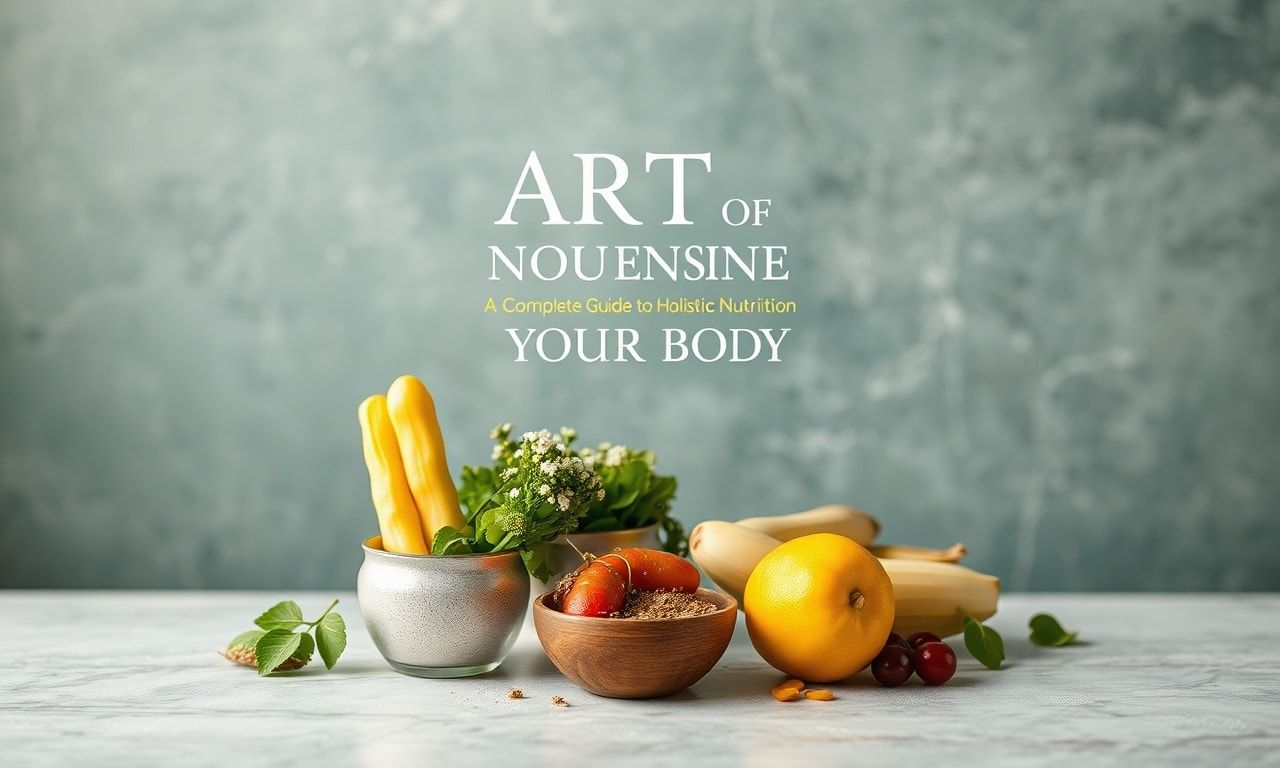
The Foundation of Holistic Nutrition
Holistic nutrition is more than just a diet; it’s a lifestyle that focuses on the overall well-being of an individual. This approach considers the interconnectedness of the body, mind, and spirit, emphasizing the importance of whole, nutrient-dense foods. Unlike fad diets that promise quick fixes, holistic nutrition aims for long-term health benefits by promoting balanced eating habits and sustainable lifestyle changes.
At the core of holistic nutrition is the belief that food is medicine. What we consume directly impacts our physical health, mental clarity, and emotional stability. By choosing foods that nourish and heal, we can prevent chronic diseases, boost our immune system, and enhance our overall quality of life. This approach encourages a mindful relationship with food, fostering a deeper appreciation for the nutrients that fuel our bodies.
Holistic nutrition also emphasizes the importance of individuality. What works for one person may not work for another, so it’s essential to tailor your diet to your unique needs and preferences. This personalized approach ensures that you are getting the right nutrients in the right amounts to support your body’s specific requirements.
The Role of Macronutrients in Holistic Nutrition
Macronutrients—carbohydrates, proteins, and fats—are the building blocks of our diet. Each plays a crucial role in maintaining optimal health. Carbohydrates provide the primary source of energy, while proteins are essential for muscle repair and growth. Fats, often misunderstood, are vital for brain function, hormone production, and nutrient absorption.
In holistic nutrition, the focus is on consuming high-quality, unprocessed sources of macronutrients. For example, opt for complex carbohydrates like whole grains, fruits, and vegetables over refined sugars and white flour. Choose lean proteins such as chicken, fish, beans, and lentils, and incorporate healthy fats from avocados, nuts, seeds, and olive oil into your diet. By prioritizing whole foods, you ensure that your body receives a balanced mix of macronutrients that support overall health.
It’s also important to consider the quality of your food sources. Organic, locally sourced, and non-GMO foods are often richer in nutrients and free from harmful chemicals. By making conscious choices about the food you consume, you can significantly improve your health and well-being.
Mindful Eating and the Holistic Approach
Mindful eating is a practice that encourages you to be fully present and engaged while eating. This approach involves paying attention to your body’s hunger and fullness cues, savoring each bite, and avoiding distractions like television or smartphones. By eating mindfully, you can better understand your body’s needs and make healthier food choices.
Mindful eating also helps you develop a healthier relationship with food. It encourages you to eat slowly, chew thoroughly, and enjoy your meals without guilt or judgment. This practice can help prevent overeating and promote better digestion, as your body has time to register fullness and process nutrients effectively.
Incorporating mindful eating into your holistic nutrition plan can enhance your overall well-being. It allows you to connect with your body on a deeper level, fostering a sense of awareness and appreciation for the food you consume. By practicing mindful eating, you can make more informed choices about what and how much you eat, leading to a healthier and more balanced lifestyle.
The Impact of Nutrition on Mental Health
The connection between nutrition and mental health is well-documented. What we eat directly affects our brain function, mood, and overall mental well-being. A diet rich in nutrient-dense foods can help reduce the risk of depression, anxiety, and other mental health disorders. Conversely, a diet high in processed foods, sugars, and unhealthy fats can contribute to poor mental health.
Research has shown that certain foods can boost serotonin levels, a neurotransmitter that regulates mood. Foods rich in omega-3 fatty acids, such as fatty fish, walnuts, and flaxseeds, have been linked to improved mental health. Similarly, foods high in antioxidants, like berries, dark chocolate, and leafy greens, can help protect the brain from oxidative stress and inflammation, which are often associated with mental health issues.
Incorporating these nutrient-rich foods into your diet can have a profound impact on your mental health. By focusing on whole, unprocessed foods, you can support your brain function and promote emotional well-being. Additionally, staying hydrated and maintaining a balanced diet can help stabilize blood sugar levels, which can also affect mood and energy levels.
Cooking Classes and Holistic Nutrition
For those looking to deepen their understanding of holistic nutrition, cooking classes can be an excellent resource. These classes often focus on preparing meals using whole, nutrient-dense ingredients and teach participants how to create balanced and delicious meals. By learning to cook with fresh, local, and organic ingredients, you can enhance your culinary skills and improve your overall health.
Cooking classes that emphasize holistic nutrition can also provide a supportive community where you can share your experiences and learn from others. These classes often include educational components that cover topics such as meal planning, food combining, and the benefits of different types of foods. By participating in these classes, you can gain valuable knowledge and practical skills that will help you make healthier choices in your daily life.
If you’re interested in exploring holistic nutrition through cooking classes, consider enrolling in Frankfurt Internationale Kochkurse. These classes offer a unique opportunity to learn from experienced chefs and nutritionists who can guide you on your journey to better health.
Practical Tips for Incorporating Holistic Nutrition into Your Life
Incorporating holistic nutrition into your life doesn’t have to be overwhelming. Start by making small, sustainable changes that you can build upon over time. Here are some practical tips to help you get started:
- Plan Your Meals: Meal planning is a great way to ensure that you’re eating a balanced diet. Plan your meals for the week, focusing on whole, nutrient-dense foods. Include a variety of fruits, vegetables, lean proteins, and healthy fats in your meals to ensure that you’re getting all the nutrients your body needs.
- Shop Smart: When grocery shopping, opt for fresh, local, and organic foods whenever possible. Choose whole foods over processed foods, and read labels carefully to avoid hidden sugars, unhealthy fats, and artificial ingredients.
- Stay Hydrated: Drinking plenty of water is essential for overall health. Aim to drink at least eight glasses of water a day, and more if you’re physically active or live in a hot climate. Staying hydrated helps support digestion, nutrient absorption, and overall bodily functions.
- Practice Mindful Eating: As mentioned earlier, mindful eating can help you make healthier food choices and improve your relationship with food. Take the time to enjoy your meals, chew thoroughly, and pay attention to your body’s hunger and fullness cues.
- Seek Professional Guidance: If you’re unsure about how to incorporate holistic nutrition into your life, consider consulting a nutritionist or dietitian. They can provide personalized advice and support to help you achieve your health goals.
By following these practical tips, you can make holistic nutrition a part of your daily life. Remember, the goal is to create sustainable, long-term changes that support your overall health and well-being.
Conclusion
Holistic nutrition is a powerful tool for improving your overall health and well-being. By focusing on whole, nutrient-dense foods and incorporating mindful eating practices, you can support your body’s natural healing processes and enhance your quality of life. Whether you’re looking to boost your energy levels, improve your mental health, or simply feel better, holistic nutrition offers a comprehensive approach to achieving your health goals.
Remember, the journey to holistic nutrition is a personal one. What works for one person may not work for another, so it’s essential to tailor your diet to your unique needs and preferences. By making conscious choices about the food you consume and incorporating practical tips into your daily life, you can create a sustainable, healthy lifestyle that supports your overall well-being.
Start your journey to holistic nutrition today and experience the transformative power of nourishing your body with whole, nutrient-dense foods. Your body will thank you!
To discover how urban planning can significantly impact public health and well-being, explore Frankfurt’s health-focused city planning and its inspiring initiatives.