The Therapeutic Benefits of Gardening
Gardening is often seen as a hobby, but its benefits extend far beyond the aesthetic appeal of a well-tended garden. Engaging in gardening activities can have a profound impact on mental health, offering a therapeutic outlet that promotes relaxation, reduces stress, and enhances overall well-being. The act of nurturing plants and watching them grow can be incredibly rewarding, providing a sense of accomplishment and purpose. Moreover, gardening encourages mindfulness, as it requires focus and presence, which can help alleviate symptoms of anxiety and depression.
The Science Behind Gardening and Mental Health
Research has shown that gardening can have a positive effect on mental health. A study published in the Journal of Health Psychology found that gardening can reduce cortisol levels, the hormone associated with stress. Additionally, spending time in nature has been linked to improved mood and reduced symptoms of depression. The combination of physical activity, exposure to sunlight, and the sensory experience of gardening can boost serotonin levels, which are crucial for regulating mood. Furthermore, gardening can provide a sense of community and social interaction, as it often involves sharing produce, seeds, and gardening tips beginners guide with others.
Getting Started with Gardening for Mental Health
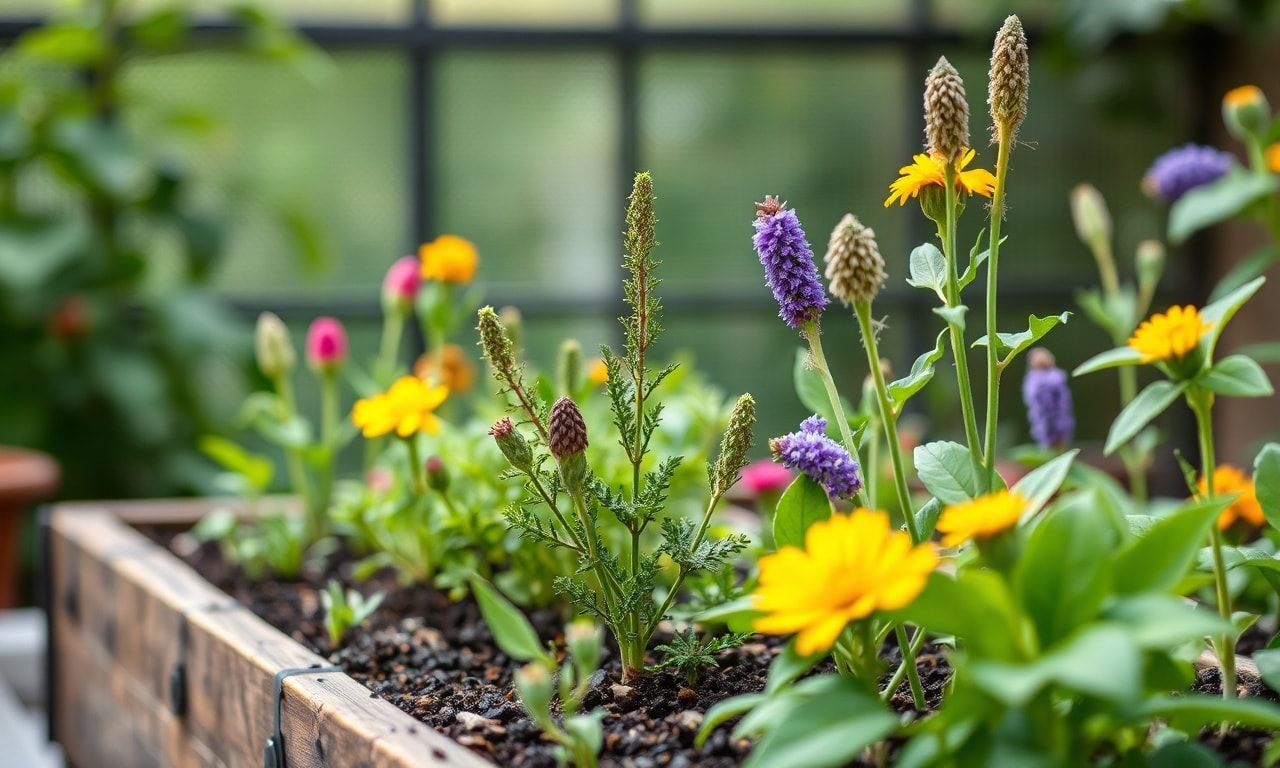
For those new to gardening, starting small is key. Begin with easy-to-grow plants such as herbs, vegetables, or flowers that require minimal maintenance. Container gardening is an excellent option for beginners, as it allows for flexibility and can be done on a balcony or patio. It’s also important to choose a location that receives adequate sunlight and has good soil quality. Investing in basic gardening tools and learning about proper planting techniques can set you up for success. Remember, gardening is a learning process, and it’s okay to make mistakes along the way.
Creating a Therapeutic Garden Space
Designing a garden that promotes mental well-being involves more than just planting flowers. Incorporate elements that engage the senses, such as fragrant herbs, colorful blooms, and soothing water features. Consider adding a seating area where you can relax and enjoy the tranquility of your garden. Pathways and garden rooms can create a sense of exploration and discovery, making your garden a place of wonder and relaxation. Additionally, including a variety of textures and colors can stimulate the senses and create a visually appealing space. Whether you have a large backyard or a small balcony, creating a therapeutic garden space is within reach.
Maintaining a Healthy Garden and Mind
Regular maintenance is essential for keeping your garden thriving and your mental health benefits intact. Watering, weeding, and pruning are all important tasks that require consistent attention. However, it’s also crucial to listen to your body and take breaks when needed. Gardening should be a enjoyable and relaxing activity, not a source of stress. If you find yourself feeling overwhelmed, consider breaking tasks into smaller, manageable steps. Joining a gardening club or online community can provide support and encouragement, as well as valuable gardening tips beginners guide. Remember, the goal is to cultivate a space that brings you joy and peace.
Conclusion
Gardening is a powerful tool for enhancing mental health and overall well-being. By engaging in this therapeutic activity, you can reduce stress, improve mood, and create a beautiful, peaceful space. Whether you’re a seasoned gardener or just starting out, the benefits of gardening are within reach. So, grab your gloves, dig in, and let the healing power of gardening transform your life.
To gain a broader understanding of how external factors influence our daily lives, consider exploring defense trends and well-being, an insightful piece that connects seemingly disparate areas.
Discover the power of a comprehensive health strategy by exploring wellness through mind and body, a compelling piece that delves into the interconnectedness of physical, mental, and social well-being.
To complement your journey towards holistic well-being, consider exploring financial strategies for a secure future, as financial health is a crucial aspect of overall wellness.