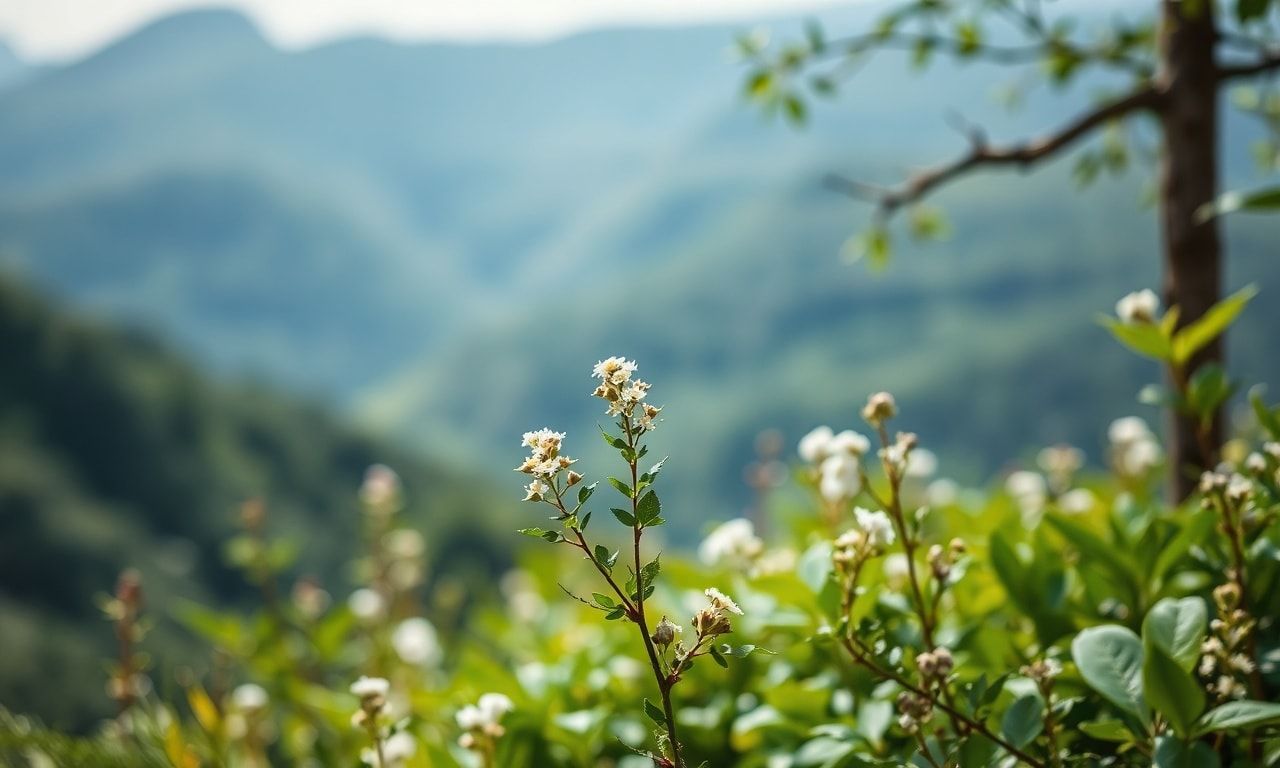
The Healing Power of Nature
In the pursuit of optimal health and wellness, we often focus on diet, exercise, and mental health practices. However, one often overlooked yet powerful tool for enhancing our well-being is nature. Spending time outdoors has been scientifically proven to reduce stress, boost mood, and improve overall mental health. This article explores the profound benefits of nature on mental health and provides practical tips on how to incorporate more outdoor activities into your routine.
The Science Behind Nature’s Benefits
Research has shown that exposure to natural environments can have a significant positive impact on mental health. A study published in the journal Environmental Health and Preventive Medicine found that spending time in nature can lower levels of cortisol, the stress hormone, and increase the production of serotonin, a neurotransmitter associated with happiness and well-being. Additionally, nature exposure has been linked to reduced symptoms of anxiety and depression.
One of the key mechanisms through which nature benefits mental health is through the concept of ‘attention restoration theory.’ This theory suggests that natural environments provide a gentle, effortless form of attention that allows our brains to recover from the mental fatigue caused by urban environments and digital devices. By engaging with nature, we can improve our cognitive function and emotional resilience.
Incorporating Nature into Your Routine
Incorporating nature into your daily routine doesn’t have to be complicated. Simple activities like taking a walk in the park, gardening, or even sitting outside for a few minutes can make a significant difference in your mental health. For those living in urban areas, finding green spaces such as parks or community gardens can provide a much-needed respite from the hustle and bustle of city life.
For example, residents of Oslo can take advantage of the numerous parks and recreational activities available in the city. Engaging in Oslo parks recreation activities can be a great way to connect with nature and improve mental well-being. Whether it’s a leisurely stroll through Frogner Park or a more vigorous hike in the Nordmarka forest, there are plenty of options to suit different preferences and fitness levels.
The Role of Physical Activity in Nature
Combining physical activity with nature exposure can amplify the benefits for mental health. Exercise has been shown to release endorphins, which are natural mood enhancers. When combined with the calming effects of nature, the positive impact on mental health can be even greater. Activities such as hiking, cycling, or yoga in the park can provide both physical and mental health benefits.
For those who enjoy structured exercise routines, joining a local sports club or fitness group that meets outdoors can be a great way to stay active while enjoying the benefits of nature. Many communities offer outdoor fitness classes, such as boot camps or yoga sessions in the park, which can be a fun and social way to stay fit.
Mindfulness and Nature
Mindfulness practices, such as meditation and deep breathing exercises, can be particularly effective when performed in natural settings. The tranquility of nature can help individuals achieve a deeper state of relaxation and mindfulness. Practicing mindfulness in nature can enhance self-awareness, reduce stress, and improve emotional regulation.
To incorporate mindfulness into your nature routine, find a quiet spot in a park or forest where you can sit comfortably. Focus on your breath and the sounds of nature around you. Allow yourself to fully immerse in the experience, letting go of any distractions or worries. Even a few minutes of mindfulness in nature can have a profound impact on your mental well-being.
Creating a Nature-Friendly Lifestyle
To fully reap the benefits of nature, it’s important to make it a regular part of your lifestyle. Here are some practical tips to help you incorporate more nature into your daily routine:
- Plan regular outings to local parks, forests, or beaches.
- Take a nature walk during your lunch break or after work.
- Start a garden or visit a community garden to connect with plants and greenery.
- Engage in outdoor hobbies such as birdwatching, photography, or painting.
- Join a local outdoor club or group that organizes nature-based activities.
By making nature a priority in your life, you can enhance your mental health, reduce stress, and improve your overall well-being.
To enhance your overall well-being, explore our latest guide on boosting physical and mental health with practical steps.
Discover how technological advancements are revolutionizing patient care and streamlining healthcare operations in technology’s impact on healthcare, an insightful exploration of modern wellness innovations.
To optimize your performance and well-being, dive into the art of recovery and understand why rest is as crucial as exercise in your fitness journey.