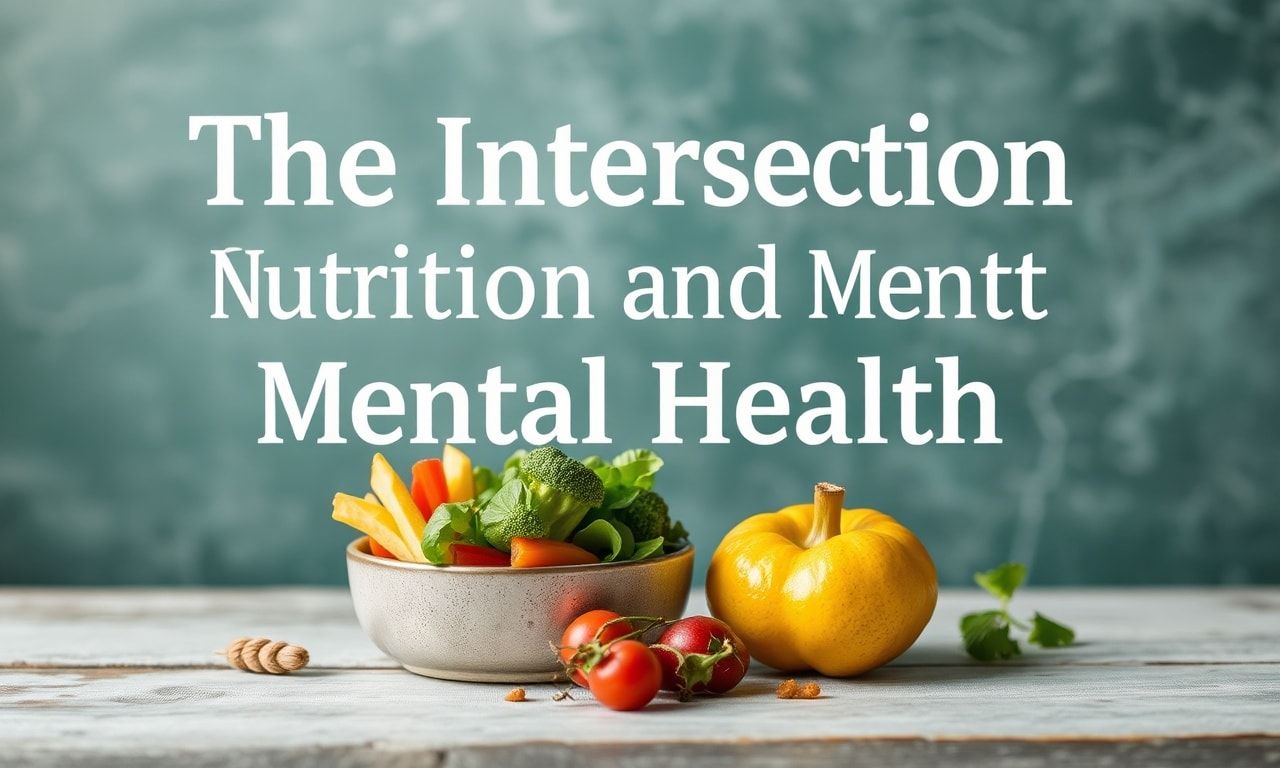
The Gut-Brain Connection
\nThe relationship between nutrition and mental health is a burgeoning field of study, with increasing evidence pointing to the significant impact of diet on mental well-being. One of the most fascinating areas of research is the gut-brain axis, a complex communication system that links the emotional and cognitive centers of the brain with peripheral intestinal functions. This bidirectional pathway is influenced by a variety of factors, including the gut microbiota, which plays a crucial role in modulating brain chemistry and behavior.
\nEmerging research suggests that the composition of gut microbiota can influence neurotransmitter systems, such as serotonin and dopamine, which are critical for mood regulation. For instance, certain strains of probiotics have been shown to reduce symptoms of anxiety and depression by modulating the gut-brain axis. This highlights the potential of dietary interventions, such as probiotic supplementation, to improve mental health outcomes.
\nMoreover, the gut microbiota can produce metabolites that influence brain function. For example, short-chain fatty acids (SCFAs) produced by the fermentation of dietary fiber have been shown to have anti-inflammatory effects and may play a role in protecting against neurodegenerative diseases. This underscores the importance of a diet rich in fiber, such as fruits, vegetables, and whole grains, for maintaining both gut and brain health.
\nThe Role of Specific Nutrients
\nCertain nutrients have been identified as particularly important for mental health. For example, omega-3 fatty acids, found in fatty fish like salmon and mackerel, have been shown to reduce inflammation and support brain function. Similarly, B vitamins, particularly folate and vitamin B12, are essential for the production of neurotransmitters and the maintenance of healthy brain function.
\nAntioxidants, found in a variety of fruits and vegetables, play a crucial role in protecting the brain from oxidative stress, which has been linked to the development of mental health disorders. For instance, flavonoids found in berries have been shown to improve cognitive function and reduce the risk of depression. Additionally, magnesium, found in leafy greens, nuts, and seeds, has been shown to have a calming effect on the nervous system and may help reduce symptoms of anxiety.
\nIt’s also worth noting that the impact of nutrition on mental health is not limited to specific nutrients. Overall dietary patterns, such as the Mediterranean diet, which is rich in fruits, vegetables, whole grains, and healthy fats, have been associated with a reduced risk of depression and anxiety. This diet emphasizes the consumption of whole, unprocessed foods and limits the intake of processed foods, which are often high in sugar, unhealthy fats, and additives that can negatively impact mental health.
\nDiet and Mental Health Disorders
\nResearch has shown that diet can play a significant role in the development and management of mental health disorders. For example, a diet high in processed foods and sugar has been linked to an increased risk of depression and anxiety. This is thought to be due to the negative impact of these foods on gut health and inflammation, as well as their effect on blood sugar levels and neurotransmitter function.
\nConversely, a diet rich in whole, nutrient-dense foods has been shown to have a protective effect against mental health disorders. For instance, a study published in the journal Nutritional Neuroscience found that a Mediterranean-style diet was associated with a reduced risk of depression. Similarly, a study published in the journal BMC Medicine found that a diet rich in fruits, vegetables, and whole grains was associated with a reduced risk of anxiety.
\nFurthermore, dietary interventions have been shown to be effective in the management of mental health disorders. For example, a study published in the journal Nutrients found that a diet rich in omega-3 fatty acids was effective in reducing symptoms of depression. Similarly, a study published in the journal Psychiatry Research found that a diet rich in antioxidants was effective in reducing symptoms of anxiety.
\nPractical Tips for Improving Mental Health Through Diet
\nIncorporating nutrient-dense foods into your diet can be a simple and effective way to support mental health. Here are some practical tips for improving mental health through diet:
\n- \n
- Eat a variety of fruits and vegetables: Aim for at least five servings of fruits and vegetables per day. This will provide a wide range of nutrients that are essential for brain health. \n
- Choose whole grains: Whole grains, such as brown rice, quinoa, and whole wheat bread, are rich in fiber and nutrients that support brain health. \n
- Include healthy fats: Healthy fats, such as those found in avocados, nuts, and seeds, are essential for brain function. Aim to include a source of healthy fats in each meal. \n
- Limit processed foods: Processed foods are often high in sugar, unhealthy fats, and additives that can negatively impact mental health. Aim to limit your intake of processed foods and opt for whole, unprocessed foods instead. \n
- Stay hydrated: Dehydration can negatively impact mood and cognitive function. Aim to drink at least eight glasses of water per day. \n
In addition to these dietary tips, it’s also important to stay active and engage in regular physical activity. Exercise has been shown to have a positive impact on mental health, and combining a healthy diet with regular exercise can have a synergistic effect on overall well-being.
\nThe Impact of Local Policies on Nutrition and Mental Health
\nIt’s also worth noting that local policies and initiatives can play a significant role in promoting healthy eating habits and improving mental health outcomes. For example, initiatives that increase access to fresh, nutrient-dense foods, such as community gardens and farmers’ markets, can have a positive impact on both physical and mental health. Similarly, policies that promote healthy eating in schools and workplaces can help to establish lifelong healthy eating habits and support mental well-being.
\nIn Dundee, for instance, local elections debates have highlighted the importance of addressing food insecurity and promoting healthy eating habits as part of a broader strategy to improve public health. As reported in the Dundee local elections debates news update, candidates have emphasized the need for policies that support local food systems and increase access to nutritious foods for all residents. These initiatives not only promote physical health but also contribute to improved mental health outcomes by addressing the social determinants of health.
\nIn conclusion, the relationship between nutrition and mental health is complex and multifaceted. However, the evidence is clear: a healthy diet can have a significant impact on mental well-being. By incorporating nutrient-dense foods into your diet and staying active, you can support your mental health and improve your overall quality of life. Additionally, advocating for policies that promote healthy eating and address food insecurity can have a broader impact on public health and well-being.
\nIn our increasingly digital world, understanding how technology safeguards our data is crucial for maintaining mental well-being and privacy. Discover how AI is revolutionizing cybersecurity in AI’s role in digital protection.
\nIf you’re looking to understand how city life impacts your mind, our latest piece urban living and mental health offers practical advice and evidence-based strategies.
\n\n\nDiscover how sports can drive community wellness and economic prosperity by exploring Dundee's inspiring journey, a testament to the power of fitness and mental health initiatives.