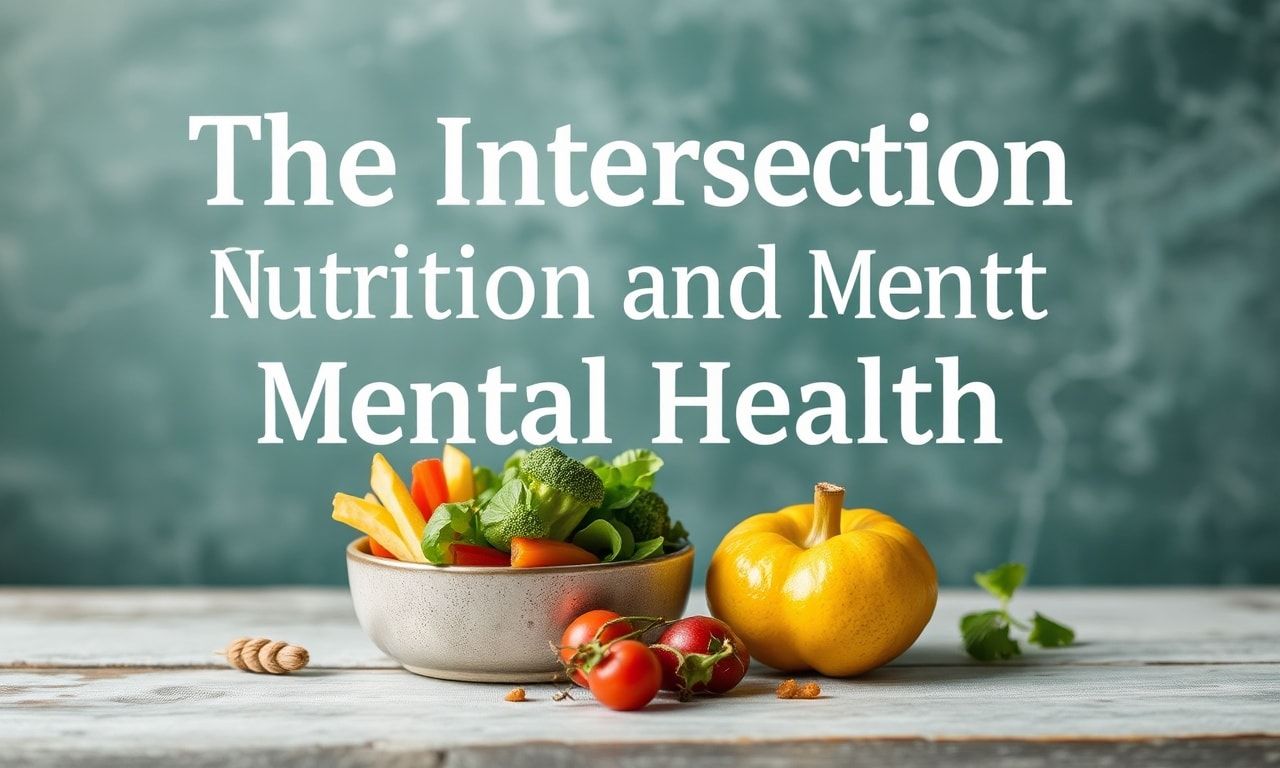
The Gut-Brain Connection
The relationship between nutrition and mental health is a burgeoning field of study, with increasing evidence pointing to the significant role that diet plays in mental well-being. The gut-brain axis, a complex communication system between the gastrointestinal tract and the central nervous system, is at the heart of this connection. Emerging research suggests that the health of your gut microbiome can influence brain function, mood, and even cognitive performance.
Probiotics and prebiotics, often referred to as ‘good’ bacteria and their food sources, respectively, are crucial for maintaining a healthy gut microbiome. These beneficial bacteria can help reduce inflammation, improve digestion, and even produce neurotransmitters like serotonin, which plays a key role in regulating mood. Incorporating foods rich in probiotics, such as yogurt, kefir, and fermented vegetables, can support a healthy gut-brain axis.
Moreover, a diet high in fiber, fruits, vegetables, and whole grains can promote the growth of beneficial gut bacteria. On the other hand, a diet high in processed foods, sugar, and unhealthy fats can disrupt the gut microbiome, potentially leading to increased inflammation and a higher risk of mental health disorders.
The Role of Omega-3 Fatty Acids
Omega-3 fatty acids, found in abundance in fatty fish like salmon, mackerel, and sardines, as well as in walnuts, chia seeds, and flaxseeds, are essential for brain health. These healthy fats are integral components of brain cell membranes and play a crucial role in brain function. Research has shown that omega-3 fatty acids can help reduce symptoms of depression, anxiety, and cognitive decline.
One study published in the journal Translational Psychiatry found that individuals with major depressive disorder had lower levels of omega-3 fatty acids in their blood compared to those without the condition. The study also found that supplementing with omega-3 fatty acids led to a significant improvement in depressive symptoms. Similarly, research has shown that omega-3 fatty acids can help reduce symptoms of anxiety and improve cognitive function in older adults.
To reap the mental health benefits of omega-3 fatty acids, aim to include fatty fish in your diet at least twice a week. If you’re vegetarian or vegan, consider incorporating plant-based sources of omega-3s, such as walnuts, chia seeds, and flaxseeds, into your diet. You may also want to consider speaking with your healthcare provider about taking an omega-3 supplement.
The Impact of Sugar and Processed Foods
While it’s tempting to reach for sugary snacks or processed foods when stressed or anxious, these foods can actually exacerbate mental health symptoms. High sugar intake has been linked to increased inflammation, insulin resistance, and a higher risk of mental health disorders, including depression and anxiety. Processed foods, which are often high in unhealthy fats, sugar, and additives, can also disrupt the gut microbiome and contribute to inflammation.
A study published in the journal Scientific Reports found that a diet high in sugar and processed foods was associated with a higher risk of depression and anxiety in adults. The study also found that individuals who consumed a diet rich in fruits, vegetables, and whole grains had a lower risk of mental health disorders. These findings suggest that a diet high in nutrient-dense, whole foods can support mental health and reduce the risk of mental health disorders.
To support mental health, aim to limit your intake of sugary snacks, processed foods, and unhealthy fats. Instead, focus on incorporating nutrient-dense, whole foods into your diet, such as fruits, vegetables, whole grains, lean proteins, and healthy fats. Additionally, staying hydrated by drinking plenty of water throughout the day can help support mental health and cognitive function.
Nutrition and Mental Health: Practical Tips
Incorporating nutrient-dense, whole foods into your diet can support mental health and reduce the risk of mental health disorders. Here are some practical tips for supporting mental health through nutrition:
- Eat a balanced diet: Aim to include a variety of nutrient-dense, whole foods in your diet, such as fruits, vegetables, whole grains, lean proteins, and healthy fats.
- Stay hydrated: Drinking plenty of water throughout the day can help support mental health and cognitive function.
- Limit sugar and processed foods: High sugar intake and processed foods have been linked to increased inflammation, insulin resistance, and a higher risk of mental health disorders.
- Incorporate omega-3 fatty acids: Omega-3 fatty acids, found in fatty fish, walnuts, chia seeds, and flaxseeds, are essential for brain health and can help reduce symptoms of depression, anxiety, and cognitive decline.
- Support a healthy gut microbiome: Incorporating probiotics and prebiotics into your diet can support a healthy gut microbiome, which is crucial for mental health.
In addition to supporting mental health through nutrition, it’s essential to prioritize self-care, engage in regular physical activity, and seek professional help if needed. If you’re struggling with mental health symptoms, don’t hesitate to reach out to a mental health professional for support and guidance.
For those looking to explore the intersection of nutrition and mental health further, consider checking out resources like Russia restaurants best rated review, which offers insights into the role of diet and nutrition in overall health and well-being. By prioritizing nutrition and self-care, you can support mental health and improve overall quality of life.
The Future of Nutrition and Mental Health
The field of nutrition and mental health is rapidly evolving, with new research emerging all the time. As our understanding of the gut-brain axis and the role of nutrition in mental health continues to grow, so too will the development of targeted nutritional interventions for mental health disorders. In the future, we may see the development of personalized nutrition plans tailored to an individual’s unique gut microbiome and mental health needs.
In the meantime, incorporating nutrient-dense, whole foods into your diet and prioritizing self-care can support mental health and improve overall well-being. By staying informed about the latest research and seeking professional help when needed, you can take proactive steps to support mental health and live a happier, healthier life.
To complement your wellness journey, discover how staying stylish with 2024 trends can boost your confidence and mental well-being.