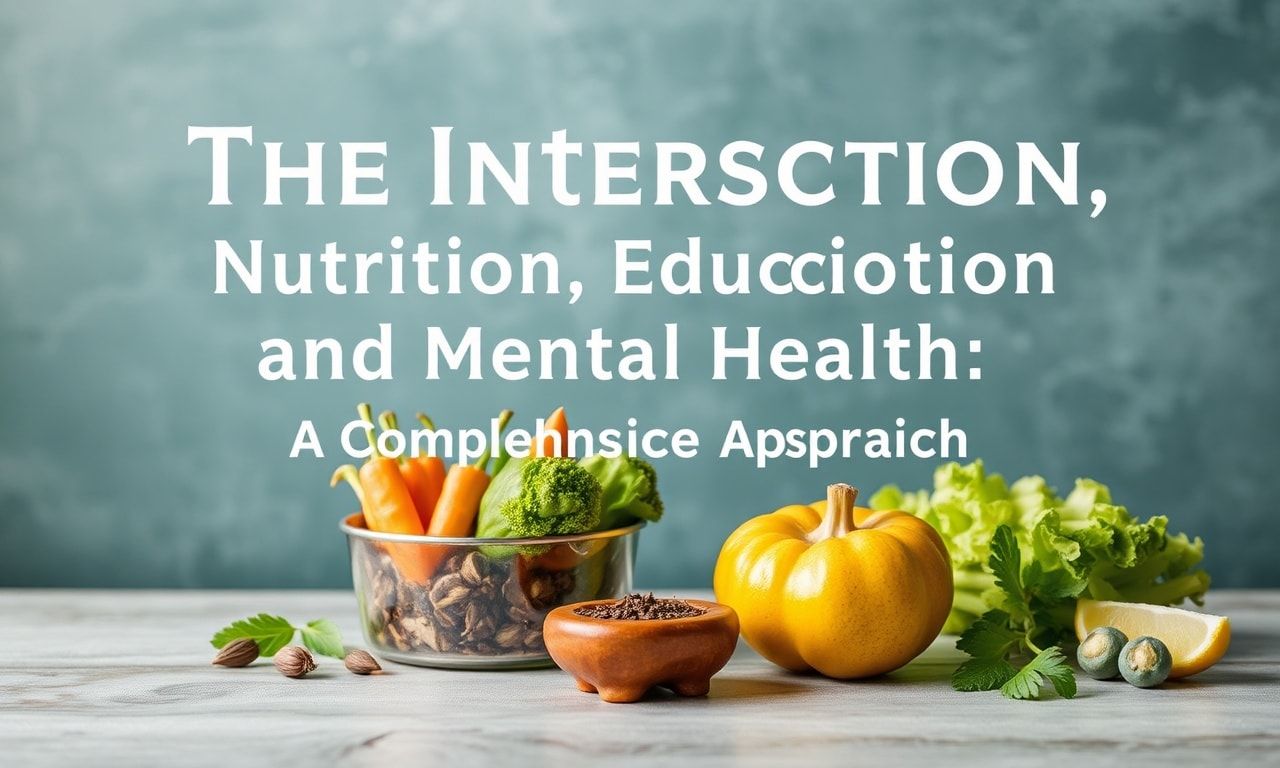
The Importance of Nutrition in Cognitive Development
Nutrition plays a pivotal role in cognitive development, particularly in children and adolescents. A balanced diet rich in fruits, vegetables, whole grains, and lean proteins provides the essential nutrients needed for brain health. Omega-3 fatty acids, found in fish and nuts, are crucial for brain function and development. Conversely, diets high in processed foods and sugars can impair cognitive function and contribute to mental health issues such as anxiety and depression.
Research has shown that children who consume a nutritious diet perform better academically and have improved concentration and memory. For instance, studies have linked adequate intake of vitamins and minerals to better academic achievement. This underscores the importance of integrating nutrition education into school curricula to foster healthy eating habits from a young age.
In the context of education funding, initiatives that support school nutrition programs can have a profound impact on student performance. For example, the Glasgow education funding news today highlights recent efforts to improve school meal programs, which can significantly enhance student health and academic outcomes. By investing in nutrition education and school meal programs, educational institutions can create a healthier and more productive learning environment.
The Role of Physical Activity in Mental Health
Physical activity is another critical component of overall well-being, with substantial benefits for mental health. Regular exercise has been shown to reduce symptoms of depression and anxiety, improve mood, and enhance cognitive function. Engaging in physical activity releases endorphins, which are natural mood lifters, and promotes the growth of new brain cells, particularly in areas associated with memory and learning.
Incorporating physical activity into daily routines can be as simple as taking a walk, participating in a fitness class, or engaging in sports. For students, physical education programs in schools provide an opportunity to develop healthy habits that can last a lifetime. These programs not only improve physical fitness but also teach valuable life skills such as teamwork, discipline, and resilience.
Moreover, physical activity can help mitigate the negative effects of stress, which is a common issue among students and professionals alike. By promoting physical activity in schools and workplaces, communities can foster a culture of wellness that supports mental health and overall well-being.
Creating a Supportive Environment
Creating a supportive environment that promotes both physical and mental health is essential for fostering well-being. This includes providing access to nutritious foods, encouraging regular physical activity, and offering mental health resources and support. Schools, workplaces, and communities can play a significant role in creating such environments by implementing policies and programs that prioritize health and wellness.
For example, schools can establish wellness committees to develop and implement health initiatives, such as nutrition education programs, physical activity classes, and mental health awareness campaigns. Workplaces can offer wellness programs that include fitness classes, healthy eating options, and mental health support services. Communities can organize events and activities that promote healthy living, such as community gardens, fitness challenges, and mental health workshops.
The Impact of Mental Health on Academic Performance
Mental health is a critical factor in academic performance, as it affects concentration, motivation, and overall well-being. Students who struggle with mental health issues such as anxiety, depression, or stress may find it challenging to focus on their studies and perform well academically. Addressing mental health in educational settings is therefore essential for promoting academic success and overall well-being.
Schools can support student mental health by providing access to counseling services, promoting mental health awareness, and creating a supportive and inclusive school culture. Teachers and staff can be trained to recognize signs of mental health issues and provide appropriate support and resources. Additionally, incorporating mindfulness and stress management techniques into the curriculum can help students develop coping skills and resilience.
Parents and caregivers also play a crucial role in supporting student mental health. By fostering open communication, providing emotional support, and encouraging healthy lifestyle habits, parents can help their children navigate the challenges of academic life and promote their overall well-being.
Integrating Nutrition, Physical Activity, and Mental Health in Education
Integrating nutrition, physical activity, and mental health into educational settings can create a holistic approach to wellness that supports both academic achievement and overall well-being. By providing nutritious meals, promoting physical activity, and addressing mental health needs, schools can create an environment that fosters success and well-being for all students.
Educational institutions can collaborate with local health organizations, community groups, and government agencies to develop comprehensive wellness programs that address the diverse needs of students. These programs can include nutrition education, physical activity initiatives, mental health support services, and wellness workshops. By taking a holistic approach to wellness, schools can create a supportive and nurturing environment that promotes academic success and overall well-being.
In conclusion, the intersection of nutrition, physical activity, and mental health is a critical area of focus for promoting wellness and academic success. By integrating these elements into educational settings, schools can create a supportive environment that fosters both physical and mental well-being. Through collaboration and innovation, educational institutions can develop comprehensive wellness programs that support the diverse needs of students and promote a culture of health and well-being.
To ensure your overall well-being and safety, it’s crucial to understand your rights and responsibilities when it comes to dog bites; explore the key aspects in dog bite legal recourse.
To support your active lifestyle and reduce stress, discover how Birmingham’s transport improvements can enhance your daily commute and overall well-being.
To enhance your fitness journey and track your progress, consider exploring how action cameras boost sports performance in our latest feature.