The Rise of Essential Oils in Modern Wellness
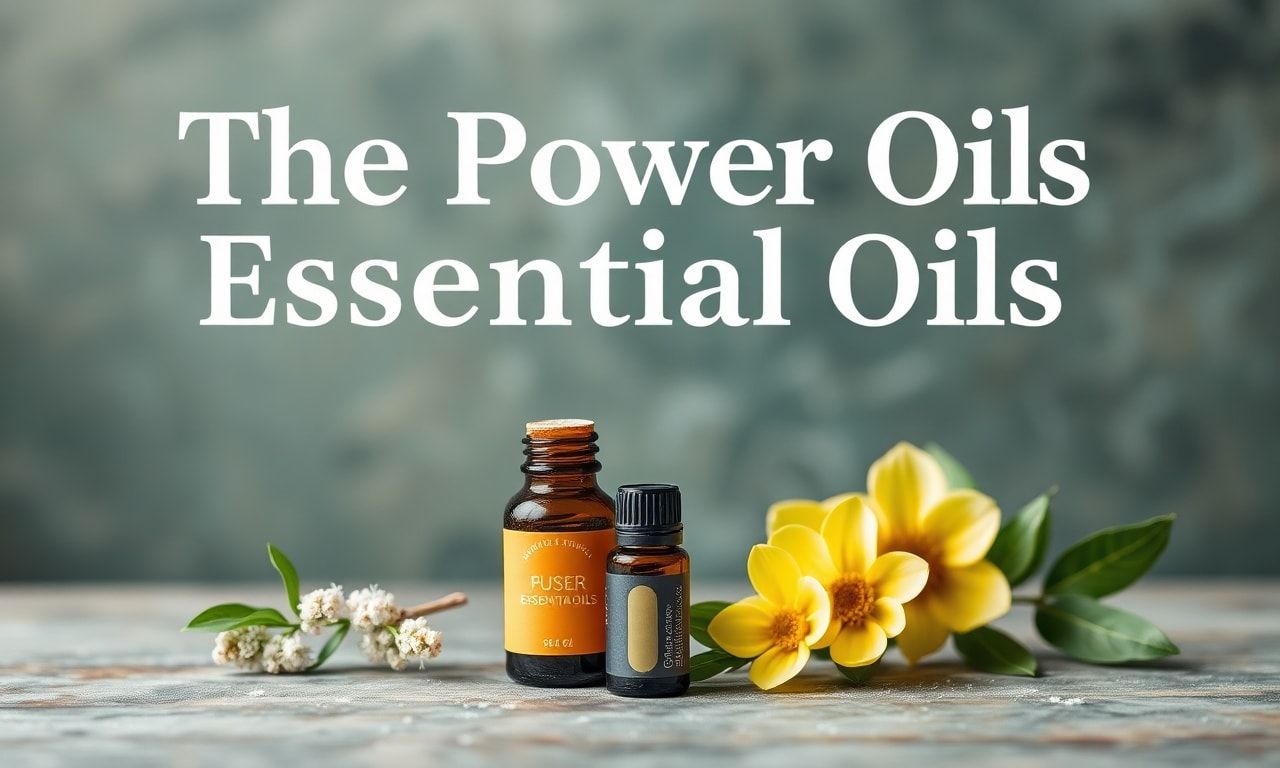
In recent years, essential oils have surged in popularity as a natural and holistic approach to wellness. These concentrated plant extracts are used for a variety of purposes, ranging from aromatherapy to topical application. The growing interest in essential oils is driven by a desire for natural remedies that complement traditional medicine. As more people seek to enhance their well-being, essential oils have become a staple in many households. Their versatility and potential health benefits make them an attractive option for those looking to improve their quality of life.
The Science Behind Essential Oils
Essential oils are derived from various parts of plants, including leaves, flowers, bark, and roots. The extraction process typically involves steam distillation or cold pressing, which captures the plant’s volatile compounds. These compounds are what give essential oils their unique aromas and therapeutic properties. Research has shown that essential oils can interact with the body’s limbic system, which plays a crucial role in emotions, memory, and stress responses. For instance, lavender oil is known for its calming effects, while peppermint oil can help alleviate headaches and improve focus. Understanding the science behind essential oils can help users make informed decisions about their use.
Common Types of Essential Oils and Their Benefits
There are numerous types of essential oils, each with its own set of benefits. Some of the most popular include:
- Lavender Oil: Known for its relaxing properties, lavender oil is often used to reduce stress and promote sleep.
- Peppermint Oil: This oil is commonly used to relieve headaches, improve digestion, and enhance mental clarity.
- Tea Tree Oil: With its antiseptic properties, tea tree oil is often used to treat skin conditions and minor wounds.
- Eucalyptus Oil: This oil is frequently used to clear respiratory congestion and improve breathing.
- Frankincense Oil: Known for its anti-inflammatory properties, frankincense oil is often used in skincare and to support overall well-being.
Each of these oils has been studied for their potential health benefits, and many people incorporate them into their daily routines. For the latest health news on essential oils, it’s important to stay informed about new research and developments in the field.
How to Use Essential Oils Safely
While essential oils offer numerous benefits, it’s crucial to use them safely to avoid potential side effects. Always dilute essential oils with a carrier oil before applying them to the skin to prevent irritation. Common carrier oils include coconut oil, jojoba oil, and almond oil. Additionally, perform a patch test on a small area of skin before using a new essential oil to check for any adverse reactions. It’s also important to consult with a healthcare professional before using essential oils, especially if you have any underlying health conditions or are pregnant.
Methods of Application
Essential oils can be used in various ways, depending on the desired effect. Some common methods include:
- Aromatherapy: Add a few drops of essential oil to a diffuser to enjoy its aroma and potential therapeutic benefits.
- Topical Application: Apply diluted essential oil to the skin for localized relief or massage.
- Inhalation: Inhale the scent directly from the bottle or add a drop to a tissue for quick relief.
- Ingestion: Some essential oils can be ingested, but this should only be done under the guidance of a healthcare professional.
Choosing the right method of application can enhance the effectiveness of essential oils and ensure a positive experience.
The Role of Essential Oils in Mental Health
Essential oils have gained recognition for their potential to support mental health. Aromatherapy, in particular, has been shown to reduce symptoms of anxiety and depression. For example, lavender oil has been found to lower cortisol levels, the hormone associated with stress. Similarly, citrus oils like lemon and orange can uplift mood and promote a sense of well-being. Incorporating essential oils into a daily self-care routine can be a simple yet effective way to support mental health.
Creating a Relaxing Environment
Creating a relaxing environment with essential oils can significantly improve mental health. Diffusing calming oils like lavender or chamomile can help create a serene atmosphere at home or in the workplace. Combining essential oils with other relaxation techniques, such as meditation or deep breathing exercises, can further enhance their benefits. By integrating essential oils into daily life, individuals can cultivate a sense of calm and reduce stress levels.
Conclusion
Essential oils offer a natural and holistic approach to wellness, with a wide range of potential health benefits. From supporting mental health to alleviating physical ailments, these plant extracts have become a valuable tool in the pursuit of well-being. By understanding the science behind essential oils and using them safely, individuals can harness their therapeutic properties to enhance their quality of life. Staying informed about the latest health news on essential oils can help users make the most of these powerful natural remedies.
If you’re looking to enhance your fitness routine, discover how CBD boosts exercise benefits for improved performance and recovery.
Discover the benefits of plant-based eating with our latest article, plant-based diets and wellness, which delves into the positive impacts on both personal health and the environment.
To support both physical and mental well-being, consider exploring nutrition tips for Parkinson’s and how they can contribute to a healthier lifestyle.