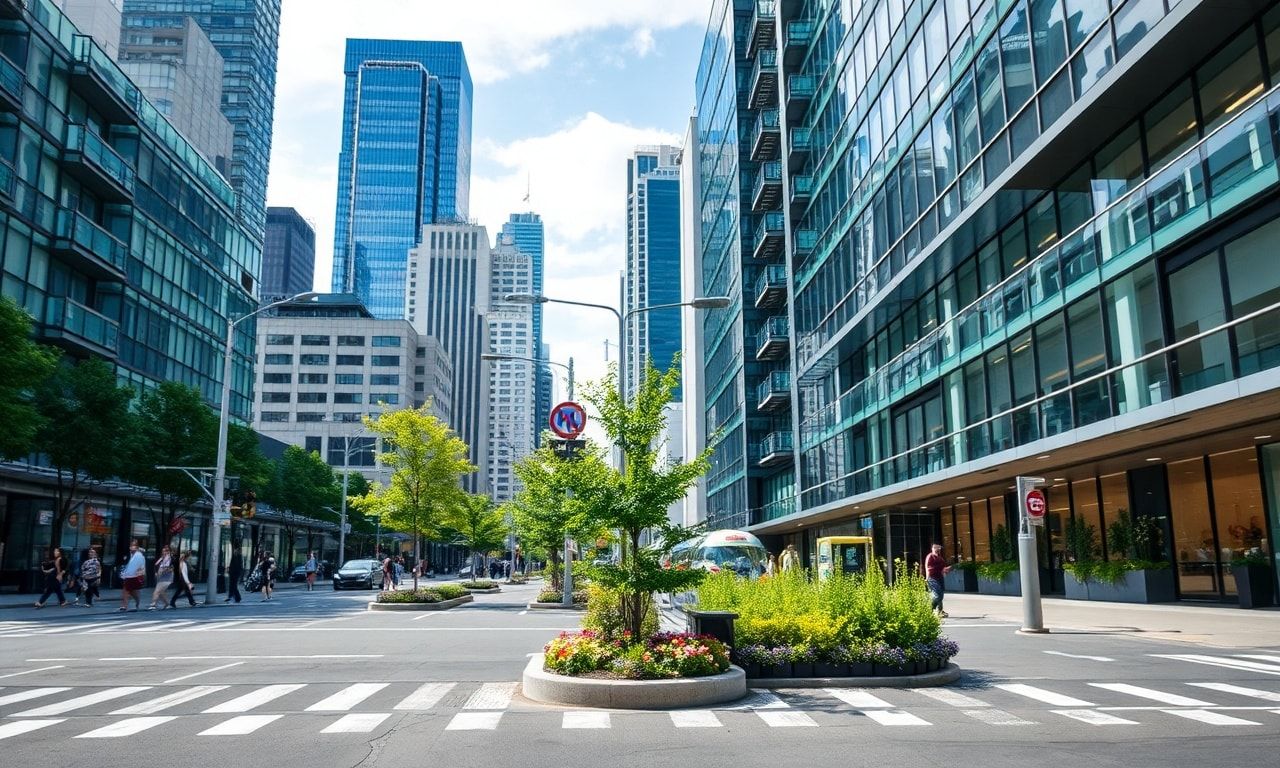
The Impact of Urban Infrastructure on Public Health
\nUrban living offers numerous benefits, including access to diverse job opportunities, cultural activities, and social networks. However, the health impacts of city life are often overlooked. Urban infrastructure, including transport systems, green spaces, and housing, plays a crucial role in determining the health and well-being of city dwellers. Understanding these impacts can help policymakers and urban planners create healthier cities.
\nThe Role of Transport Infrastructure in Health
\nTransport infrastructure is a critical component of urban living. Efficient and accessible public transport can promote physical activity by encouraging walking and cycling. According to the World Health Organization, cities with well-designed transport systems have lower obesity rates and better overall health outcomes. Conversely, poor transport infrastructure can lead to increased sedentary behavior and higher levels of air pollution, both of which are detrimental to health. For the latest updates on transport infrastructure, check out the transport infrastructure news update.
\nThe Importance of Green Spaces
\nGreen spaces, such as parks and community gardens, are essential for promoting mental and physical health in urban areas. Studies have shown that access to green spaces can reduce stress, lower blood pressure, and improve mood. Urban planners should prioritize the creation and maintenance of green spaces to enhance the well-being of city residents. Additionally, green spaces can provide opportunities for physical activity, social interaction, and connection with nature, all of which contribute to a healthier lifestyle.
\nHousing and Health
\nHousing quality and affordability are significant determinants of health in urban areas. Overcrowded and poor-quality housing can lead to the spread of infectious diseases, mental health issues, and respiratory problems. On the other hand, well-designed and affordable housing can promote better health outcomes by providing a safe and comfortable living environment. Urban planners should focus on creating mixed-income housing developments that offer a range of housing options to meet the needs of different populations.
\nPromoting Healthy Urban Living
\nTo promote healthy urban living, cities must invest in infrastructure that supports physical activity, mental well-being, and social interaction. This includes developing comprehensive public transport systems, creating and maintaining green spaces, and ensuring access to affordable and high-quality housing. Additionally, cities should implement policies that encourage walking and cycling, reduce air pollution, and promote community engagement. By prioritizing health in urban planning, cities can create environments that support the well-being of all residents.
\nConclusion
\nThe health impacts of urban living are complex and multifaceted. Urban infrastructure, including transport systems, green spaces, and housing, plays a crucial role in determining the health and well-being of city dwellers. By understanding these impacts and prioritizing health in urban planning, cities can create environments that support the well-being of all residents. Investing in healthy urban infrastructure is not only beneficial for individual health but also for the economic and social development of cities.
\nDiscover how your mind and body are connected with mental health and fitness tips that promote overall well-being.
\nDelve deeper into the crucial link between individual mental health and collective well-being with our latest feature, mental health’s community impact, offering a comprehensive look at holistic wellness strategies.
\n\n\nTo enhance your overall well-being, consider exploring essential health and self-care tips that can significantly improve your quality of life.