The Gut-Brain Connection
The connection between our gut and brain, often referred to as the gut-brain axis, is a fascinating area of research in health and nutrition. This bidirectional communication system links the emotional and cognitive centers of the brain with peripheral intestinal functions. Emerging evidence suggests that gut health can significantly influence mental health, and vice versa. Understanding this connection can help us make informed dietary choices that support both our physical and mental well-being.
The Role of Probiotics and Prebiotics
Probiotics are live beneficial bacteria that can improve or restore the gut flora. They are found in fermented foods like yogurt, kefir, sauerkraut, and kimchi. Prebiotics, on the other hand, are compounds in food that induce the growth or activity of beneficial microorganisms such as bacteria and fungi. Foods rich in prebiotics include garlic, onions, leeks, asparagus, artichokes, soybeans, whole wheat, and bananas. Consuming a diet rich in both probiotics and prebiotics can help maintain a healthy gut microbiome, which in turn supports mental health.
Research has shown that certain strains of probiotics can reduce symptoms of depression and anxiety. For instance, a study published in the journal Nutritional Neuroscience found that participants who consumed a probiotic supplement for eight weeks reported significant improvements in their mood and psychological distress. This highlights the potential of probiotics as a complementary approach to managing mental health conditions.
The Impact of Diet on Mental Health
Diet plays a crucial role in mental health. A diet high in processed foods, sugars, and unhealthy fats can contribute to inflammation and oxidative stress, which are linked to mental health disorders. Conversely, a diet rich in fruits, vegetables, whole grains, lean proteins, and healthy fats can promote brain health and reduce the risk of mental health issues.
The Mediterranean Diet
The Mediterranean diet, which emphasizes fruits, vegetables, whole grains, legumes, nuts, and olive oil, has been extensively studied for its health benefits. Research has shown that this diet can reduce the risk of depression and improve cognitive function. A study published in the journal Molecular Psychiatry found that adherence to the Mediterranean diet was associated with a lower risk of depression in older adults.
Incorporating more plant-based foods into your diet can also have a positive impact on mental health. Plant-based foods are rich in antioxidants, which can help protect the brain from oxidative stress and inflammation. Additionally, they are a good source of fiber, which supports a healthy gut microbiome.
The Role of Omega-3 Fatty Acids
Omega-3 fatty acids are essential fats that play a crucial role in brain health. They are found in fatty fish like salmon, mackerel, and sardines, as well as in flaxseeds, chia seeds, and walnuts. Research has shown that omega-3 fatty acids can reduce inflammation, improve mood, and support cognitive function.
A study published in the journal Journal of Clinical Psychiatry found that participants who took omega-3 supplements experienced significant improvements in their symptoms of depression. Another study published in the journal Nutrients found that omega-3 fatty acids can improve cognitive function in older adults.
Interesting Facts About General Knowledge
Did you know that the human brain is made up of about 60% fat? This is why consuming healthy fats, like those found in omega-3 fatty acids, is so important for brain health. For more interessante Fakten Allgemeinwissen, be sure to check out our related articles on the fascinating world of health and nutrition.
The Importance of Hydration
Hydration is often overlooked but is crucial for both physical and mental health. Dehydration can lead to fatigue, headaches, and difficulty concentrating. It can also contribute to mood swings and anxiety. Aim to drink at least eight glasses of water a day, and more if you are physically active or live in a hot climate.
In addition to water, you can also stay hydrated by consuming foods that are high in water content, such as fruits and vegetables. Foods like cucumbers, watermelon, and strawberries are not only hydrating but also packed with essential vitamins and minerals that support overall health.
Conclusion
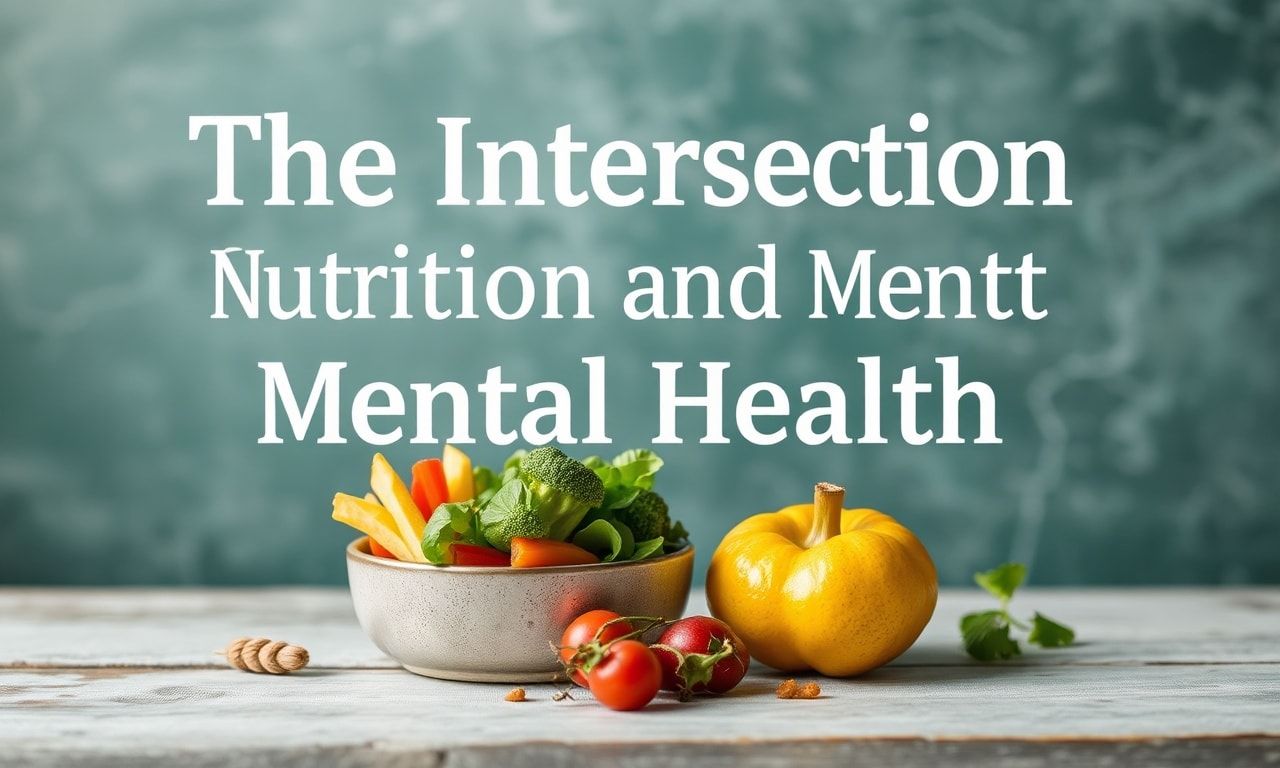
The connection between nutrition and mental health is complex and multifaceted. By making informed dietary choices, we can support both our physical and mental well-being. Incorporating a diet rich in probiotics, prebiotics, omega-3 fatty acids, and plant-based foods can promote a healthy gut microbiome and reduce the risk of mental health issues. Additionally, staying hydrated and consuming a balanced diet can improve mood, cognitive function, and overall mental health.
Remember, while diet plays a crucial role in mental health, it is just one piece of the puzzle. Regular exercise, adequate sleep, and stress management are also essential for maintaining good mental health. If you are struggling with mental health issues, it is important to seek professional help.
To support your child’s holistic development, consider exploring fun and educational activities that promote both physical and mental well-being.
To better understand the global factors influencing your wellness journey, delve into global affairs and health connections.
To diversify your financial wellness strategy, consider exploring investing in cryptocurrencies for beginners, a topic that can offer new avenues for growth alongside your health and fitness goals.