The Impact of Workspace on Mental Health
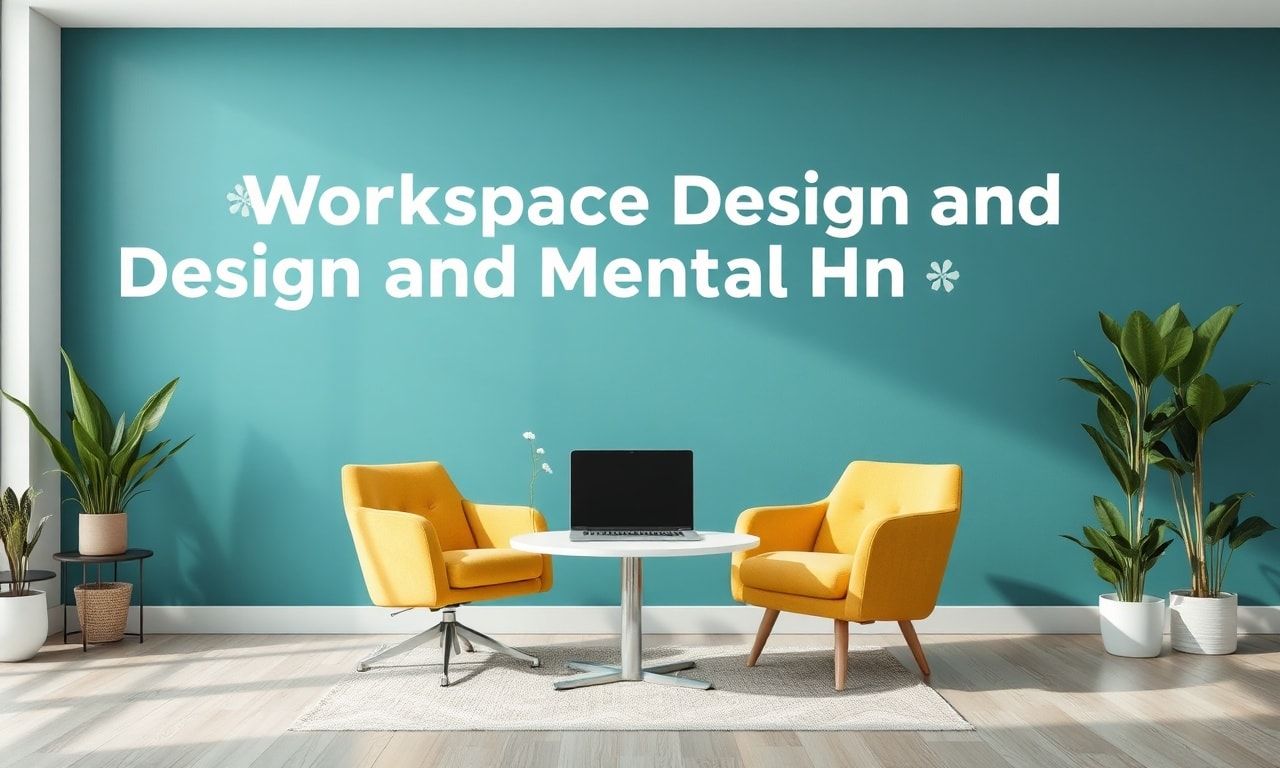
In the modern era, the lines between work and home have blurred, especially with the rise of remote work. The design and organization of your workspace can significantly influence your mental health and productivity. A well-crafted workspace can reduce stress, enhance focus, and foster a sense of well-being. Conversely, a cluttered or poorly designed workspace can lead to anxiety, distraction, and decreased motivation. Understanding the impact of your workspace on your mental health is the first step towards creating an environment that supports your overall well-being.
Designing a Mental Health-Friendly Workspace
Creating a workspace that promotes mental health involves a combination of ergonomic design, personalization, and functionality. Here are some key elements to consider:
Ergonomic Design
Ergonomics is the science of designing the workplace to fit the worker. An ergonomic workspace can help prevent physical strain and discomfort, which in turn can reduce mental stress. Invest in a comfortable chair that supports good posture, a desk at the right height, and equipment that minimizes repetitive strain. Additionally, consider the placement of your monitor and keyboard to ensure they are at eye level and within easy reach. These small adjustments can make a big difference in your overall comfort and productivity.
Natural Light and Airflow
Natural light and fresh air are essential for maintaining a healthy and productive workspace. Exposure to natural light can boost your mood, regulate your circadian rhythm, and improve your overall well-being. If possible, position your desk near a window to maximize natural light. Additionally, ensure that your workspace has adequate ventilation to maintain good air quality. Poor air quality can lead to headaches, fatigue, and decreased cognitive function, which can negatively impact your mental health.
Personalization and Organization
A personalized workspace can make you feel more comfortable and motivated. Incorporate elements that inspire and uplift you, such as plants, artwork, or photographs. Personal touches can create a sense of ownership and make your workspace feel more inviting. Additionally, keep your workspace organized and clutter-free. Clutter can be a source of stress and distraction, so make sure to have a designated place for everything and keep your workspace tidy. Consider using storage solutions like shelves, drawers, or filing cabinets to keep your workspace organized and functional.
The Role of Movement and Breaks
Sitting for prolonged periods can lead to physical discomfort and mental fatigue. Incorporating movement and taking regular breaks can help maintain your energy levels and focus. Here are some strategies to integrate movement into your workspace routine:
Standing Desks and Treadmill Desks
Standing desks and treadmill desks are excellent options for incorporating movement into your workday. Standing desks allow you to alternate between sitting and standing, which can help reduce back pain and improve circulation. Treadmill desks take it a step further by allowing you to walk while you work, which can boost your mood and energy levels. If a standing or treadmill desk is not an option, consider taking short walks during breaks or using a stability ball as a chair to engage your core muscles.
Stretching and Exercise
Incorporating stretching and exercise into your daily routine can help alleviate stress and improve your mental health. Take a few minutes each hour to stretch your muscles and move your body. Simple stretches like neck rolls, shoulder shrugs, and wrist exercises can help prevent stiffness and discomfort. Additionally, consider incorporating short exercise breaks into your day, such as a quick yoga session or a brisk walk around the block. These small bursts of activity can help clear your mind and boost your productivity.
Creating a Sanctuary for Productivity
Your workspace should be a sanctuary for productivity, a place where you can focus and accomplish your goals. Here are some tips for creating a productive workspace:
Minimize Distractions
Distractions can derail your focus and reduce your productivity. Identify the sources of distraction in your workspace and take steps to minimize them. This could mean turning off notifications on your phone, using noise-canceling headphones, or finding a quiet corner to work in. If you find yourself easily distracted, consider using productivity techniques like the Pomodoro Technique, which involves working in focused bursts with short breaks in between.
Establish a Routine
Establishing a routine can help you stay focused and productive. Create a daily schedule that includes dedicated time slots for work, breaks, and personal activities. Stick to your routine as much as possible to create a sense of structure and discipline. Additionally, consider setting specific goals for each day and prioritizing tasks based on their importance and urgency. This can help you stay on track and make the most of your time.
Incorporate Home Office Setup Ideas Budget
Creating a productive and mental health-friendly workspace doesn’t have to break the bank. There are plenty of budget-friendly home office setup ideas budget that can help you create a functional and inviting workspace. Look for affordable furniture and decor options that fit your style and needs. Consider repurposing items you already have or DIY projects to personalize your workspace. With a little creativity and resourcefulness, you can create a workspace that supports your well-being and productivity without spending a fortune.
Conclusion
The design and organization of your workspace can have a significant impact on your mental health and productivity. By incorporating ergonomic design, natural light, personalization, and movement into your workspace, you can create a sanctuary for productivity that supports your overall well-being. Remember to minimize distractions, establish a routine, and explore budget-friendly options to create a workspace that works for you. Investing in your workspace is an investment in your mental health and productivity, and the benefits are well worth the effort.
In our digital age, understanding the impact of technology on mental health is crucial; delve into technology’s effects on mental well-being for an insightful exploration.
Discover how modern gadgets can enhance your wellness journey in technology’s role in health, a fascinating exploration of tech’s impact on daily routines.
Discover how physical activity can boost your mental health and productivity by exploring sports’ impact on performance in our latest feature.