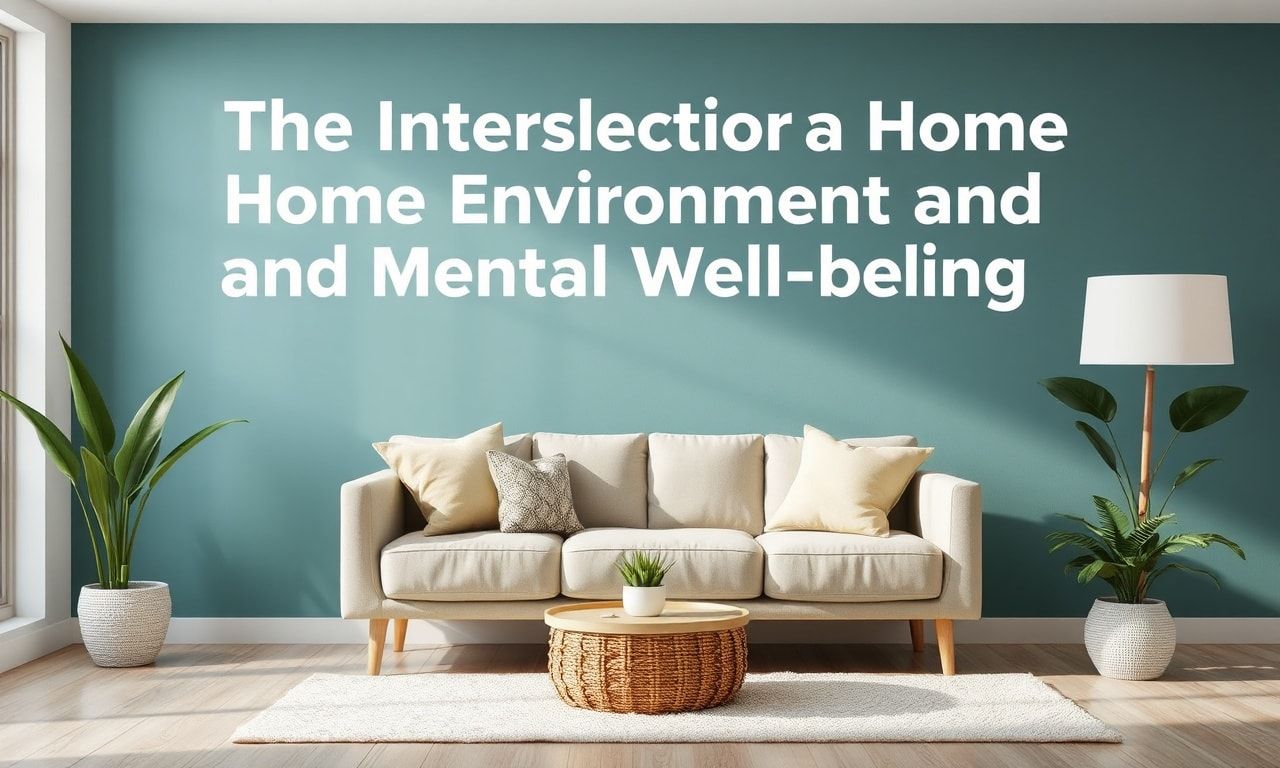
The Importance of Home Environment in Mental Health
In the pursuit of optimal mental health, we often focus on therapy, mindfulness, and nutrition. However, one crucial aspect that is frequently overlooked is the impact of our home environment on our psychological well-being. Our homes are more than just physical structures; they are spaces that can significantly influence our mood, stress levels, and overall mental health. Understanding this connection is the first step towards creating a sanctuary that promotes mental wellness.
Designing a Mental Health-Friendly Home
Creating a home environment that supports mental health involves a combination of aesthetics, functionality, and personalization. Here are some evidence-based strategies to transform your living space into a mental health sanctuary:
1. Declutter and Organize
A cluttered home can lead to a cluttered mind. Research has shown that physical clutter can increase stress and anxiety levels. Start by decluttering your space, donating or discarding items that no longer serve a purpose. Invest in storage solutions to keep your home organized and tidy. Remember, a clean and organized home can promote a sense of calm and control.
2. Incorporate Nature
Bringing elements of nature into your home can have a profound impact on your mental health. Plants, natural light, and nature-inspired decor can reduce stress, improve mood, and enhance cognitive function. Consider adding indoor plants, opening curtains to let in natural light, and using earthy tones in your decor.
3. Create a Dedicated Relaxation Space
Having a designated area for relaxation can help you unwind and recharge. This could be a cozy reading nook, a meditation corner, or a comfortable spot for yoga or stretching. Personalize this space with items that bring you joy and promote relaxation, such as soft blankets, scented candles, or calming artwork.
4. Optimize Lighting
Lighting plays a crucial role in regulating our circadian rhythms and influencing our mood. Natural light is ideal, but if that’s not possible, opt for warm, soft lighting that mimics natural light. Avoid harsh, fluorescent lights that can cause eye strain and increase stress levels. Consider using dimmers to adjust the lighting intensity based on your needs and activities.
The Role of Home Environment in Stress Management
Our home environment can either exacerbate or alleviate stress. A well-designed home can act as a buffer against daily stressors, providing a safe haven where we can retreat and recharge. Here are some ways to optimize your home environment for stress management:
1. Establish a Comfortable Sleep Environment
Quality sleep is essential for mental health. Create a sleep-conducive environment by investing in a comfortable mattress and pillows, using blackout curtains to block out light, and keeping the room cool and quiet. Avoid using electronic devices in the bedroom, as the blue light emitted can disrupt your sleep.
2. Incorporate Aromatherapy
Aromatherapy can be a powerful tool for stress relief. Certain scents, such as lavender, chamomile, and eucalyptus, have been shown to reduce stress and anxiety. Consider using essential oil diffusers, scented candles, or room sprays to infuse your home with calming aromas.
3. Personalize Your Space
Surrounding yourself with items that bring you joy and comfort can significantly improve your mental well-being. Display personal photographs, artwork, or mementos that hold positive memories. Personalizing your space can create a sense of identity and belonging, fostering a deeper connection to your home.
Practical Tips for Maintaining a Mental Health-Friendly Home
Maintaining a home environment that supports mental health requires ongoing effort and attention. Here are some practical tips to help you sustain a mental health-friendly home:
1. Regular Cleaning and Maintenance
Regular cleaning and maintenance are essential for keeping your home environment healthy and inviting. Dust, vacuum, and declutter regularly to maintain a clean and organized space. Address any repairs promptly to prevent small issues from becoming major stressors.
2. Rotate and Refresh Decor
Periodically rotating and refreshing your decor can keep your home environment feeling fresh and inspiring. Rearrange furniture, swap out artwork, or introduce new plants to create a dynamic and engaging space. This can also help prevent boredom and stagnation.
3. Incorporate the best home improvement tips for 2026
Staying updated with the latest home improvement trends can provide inspiration for enhancing your living space. For instance, incorporating smart home technologies can streamline daily tasks, reducing stress and saving time. Exploring resources like best home improvement tips for 2026 can offer innovative ideas to create a more functional and aesthetically pleasing home environment.
Conclusion
Creating a home environment that supports mental health is an ongoing process that requires attention to detail and a willingness to adapt. By incorporating nature, optimizing lighting, establishing a comfortable sleep environment, and personalizing your space, you can transform your home into a sanctuary that promotes mental wellness. Remember, a healthy home environment is not just about aesthetics; it’s about creating a space that nurtures and supports your mental health.
To achieve optimal well-being, consider exploring a balanced wellness strategy that combines physical activity, nourishing diet, and mental health care.
You may also find The Ultimate Guide to Water Fasting: helpful as it covers related aspects of this subject.
To achieve overall well-being, consider exploring balancing mind, body, and soul, a comprehensive guide to holistic wellness.