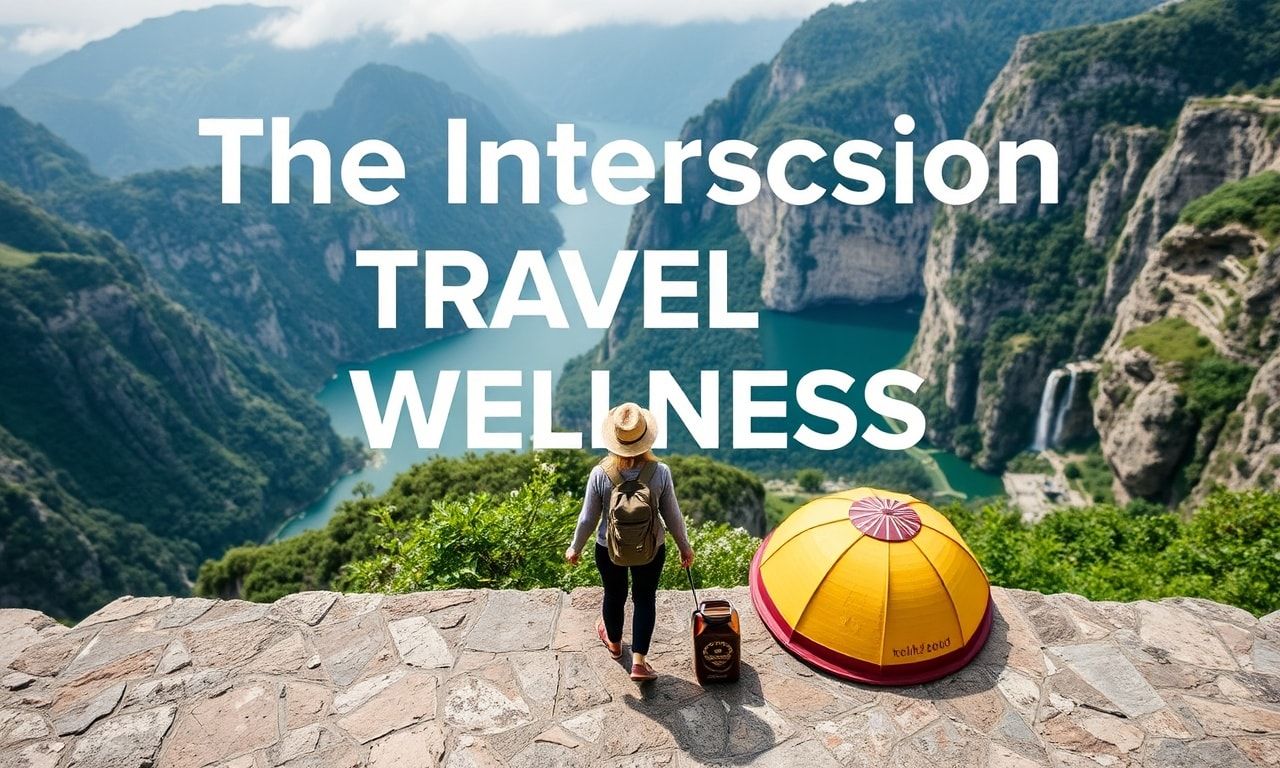
The Importance of Wellness While Traveling
In today’s fast-paced world, travel has become an integral part of our lives, whether for business or leisure. However, maintaining wellness while on the move can be challenging. The stress of travel, changes in diet, and disrupted sleep patterns can take a toll on both physical and mental health. This article explores the importance of wellness while traveling and provides practical tips to help you stay healthy on the go.
Planning Ahead for a Healthier Trip
Effective planning is the cornerstone of a healthy trip. When organizing your travel itinerary, consider factors such as local healthcare facilities, fitness centers, and access to healthy food options. A well-thought-out travel itinerary planning guide can help you identify these resources in advance, ensuring you have the support you need to maintain your wellness routines. Additionally, packing essentials like a reusable water bottle, healthy snacks, and any necessary medications can make a significant difference in your overall well-being.
Packing Smart for Wellness
When packing for a trip, prioritize items that support your wellness goals. This might include comfortable walking shoes, a portable exercise mat, or a travel-sized fitness band. Packing light and smart can also reduce stress and make your journey more enjoyable. Consider the climate and activities you’ll be engaging in, and pack accordingly. For example, if you’re planning a hiking adventure, ensure you have appropriate gear and hydration packs to keep you energized and hydrated throughout your journey.
Maintaining a Balanced Diet on the Road
One of the biggest challenges of traveling is maintaining a balanced diet. Airport food and fast-food options are often high in calories, sodium, and unhealthy fats. To stay on track, plan your meals in advance and research healthy dining options at your destination. Many hotels and resorts offer wellness menus, and local markets can provide fresh fruits, vegetables, and other nutritious foods. Packing healthy snacks like nuts, seeds, and protein bars can also help you avoid unhealthy temptations when hunger strikes.
Hydration is Key
Staying hydrated is crucial for overall health, especially when traveling. Airplane cabins and hot climates can dehydrate you quickly, leading to fatigue, headaches, and other health issues. Always carry a reusable water bottle and refill it regularly. If you’re concerned about water quality, consider using a portable water purifier or opting for bottled water. Herbal teas and electrolyte drinks can also help maintain hydration levels, especially during long flights or strenuous activities.
Staying Active While Traveling
Regular physical activity is essential for maintaining both physical and mental health. When traveling, it’s easy to fall into a sedentary routine, but there are plenty of ways to stay active. Many hotels offer fitness centers, and you can also explore your destination on foot or by bicycle. Simple exercises like stretching, yoga, or a brisk walk can make a significant difference in your energy levels and overall well-being. Consider incorporating short workouts into your daily routine, even if it’s just a 10-minute session in your hotel room.
Mindful Travel: Reducing Stress
Travel can be stressful, but practicing mindfulness can help you stay calm and centered. Techniques such as deep breathing, meditation, and journaling can reduce anxiety and improve your overall travel experience. Many travel apps offer guided meditations and relaxation exercises tailored for travelers. Taking time to unwind and reflect can enhance your enjoyment of the journey and help you return home feeling refreshed and rejuvenated.
Prioritizing Sleep for Optimal Health
Quality sleep is vital for both physical and mental health, but travel can often disrupt your sleep patterns. Jet lag, unfamiliar surroundings, and noise can all contribute to poor sleep. To combat these issues, try to adjust your sleep schedule gradually before your trip. Use earplugs, an eye mask, or a white noise machine to create a more conducive sleep environment. Establishing a bedtime routine, such as reading or listening to calming music, can also signal to your body that it’s time to rest.
Creating a Sleep-Friendly Environment
When staying in hotels or other accommodations, take steps to create a sleep-friendly environment. Request a quiet room away from elevators and ice machines, and use blackout curtains to block out light. Keeping your room cool and well-ventilated can also improve sleep quality. If you struggle with jet lag, consider using melatonin supplements or other natural remedies to help regulate your sleep cycle. Prioritizing sleep will not only enhance your travel experience but also support your overall health and well-being.
In conclusion, maintaining wellness while traveling requires planning, mindfulness, and a commitment to healthy habits. By prioritizing nutrition, hydration, physical activity, and quality sleep, you can ensure that your travels are both enjoyable and beneficial to your health. Embrace the journey with a wellness-focused mindset, and you’ll return home feeling refreshed, rejuvenated, and ready to take on new adventures.
To thrive in today’s competitive wellness industry, understanding future leadership trends is crucial for both new and established businesses.
Discover how minor adjustments can significantly boost your well-being by exploring the power of small habits in our latest feature.
To ensure your well-being doesn’t take a backseat during your adventures, explore our travel health and safety tips that blend seamlessly with your active lifestyle.